Higher Council for Youth
The Higher Council for Youth is an independent advisory body to the President, supporting youth development, participation, and inclusion. It provides recommendations on policies, education, and legislation, and promotes national values and equal opportunities for youth.
Last Updated: October 6, 2025

Best Practice Overview
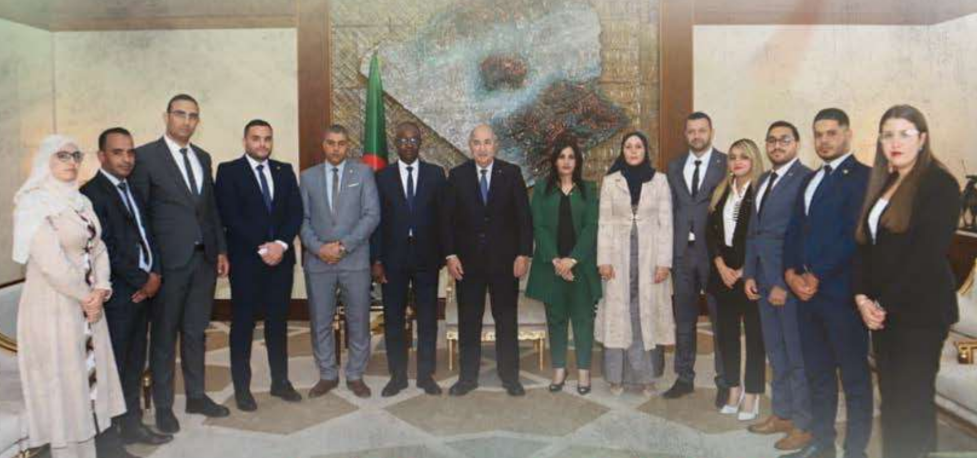
The Higher Council for Youth is an advisory body under the President of the Republic. It has a legal personality and financial independence. The Council provides opinions, recommendations, and suggestions regarding issues related to the needs and prosperity of youth in economic, social, cultural, and sports fields. It contributes to promoting national values, national conscience, civic sense, and social solidarity among youth. It contributes to the development of the National Youth Plan, as well as public policies, strategies, programs, and mechanisms related to youth. It also promotes youth participation in public and political life and actively involves them in development across all sectors. The Council also plays a vital role in preventing all forms of discrimination among youth. It works to improve the quality of education, training, and learning, while empowering young people to contribute to the nation’s cultural outreach and the celebration of its history. It also provides opinions on legislative and regulatory texts concerning youth and submits its opinions, recommendations, and annual report to the President of the Republic
Objectives:
- Empower youth to express their opinions, recommendations, and suggestions on issues concerning their needs in economic, social, and cultural domains.
- Promote national values, civic sense, and social solidarity.
- Participate in the design, follow-up, and evaluation of the National Youth Plan.
Duration of the Initiative:
- An institution enshrined in the Constitution; the duration is not limited.
Positive Impact:
In just two years of activity, the Higher Council for Youth succeeded in involving over 111,000 young men and women across Algeria in public life, providing them with an audible voice and a say in decisions affecting them.
Preparation Phase:
Program Design (Initiative Agenda):
- Covers expressing youth needs and enhancing their roles across fields.
Identifying Partners:
- Government institutions
- Civil society
- Any stakeholder concerned with youth issues
Organizational Committee Structure:
The Council has specialized committees with 30–43 members each:
- Education, training, higher education, and youth capacity building.
- Employment, entrepreneurship, innovation, and knowledge economy.
- Citizenship, volunteering, civil society, and youth participation in public life.
- Culture, sports, leisure, tourism, and youth mobility.
- Media and communication.
- Environment and sustainable development.
- Social affairs, solidarity, and youth protection.
- International cooperation and relations.
Timeline:
- Council members elected for a non-renewable term of 3 years
Resources Needed (Human – Technical – Financial):
- Supervised by the President with administrative and technical support.
- Staffed by Directors of Studies.
- Funded with a dedicated budget.
Participant Selection Mechanism:
Council consists of 348 members:
- 232 elected youth representatives from provinces (1 man and 1 woman per province).
- 34 representatives of youth organizations and associations (appointed).
- 16 representatives of youth from the Algerian diaspora (appointed).
- 12 representatives of students and student organizations (appointed).
- 10 representatives of vocational training students (appointed).
- 10 representatives of youth with disabilities (appointed).
- 10 experts appointed by the President.
- 20 members representing the government and public institutions.
Eligibility Criteria for Participation:
- Council membership is open to all Algerian youth aged 18–35 with no criminal record.
- Participation in activities is open to all without restriction
Implementation Phase:
During the Initiative – Management and Monitoring:
Leadership:
An executive board is elected annually, including four vice-presidents (2 men, 2 women), and heads of the 8 committees.
Tasks:
- Prepare and follow up on the annual program.
- Coordinate with specialized and ad hoc committees.
- Draft and present the annual activity report.
- Study and approve the Council’s budget.
Post-Initiative Phase:
Evaluation:
An annual review is conducted leading to renewed annual programs aligned with the Council’s vision.
Final Report:
Compiled at the end of the term and will be shared when ready.
Other Best Practices
Explore similar initiatives that have empowered youth in entrepreneurship and innovation.
Youth Stories
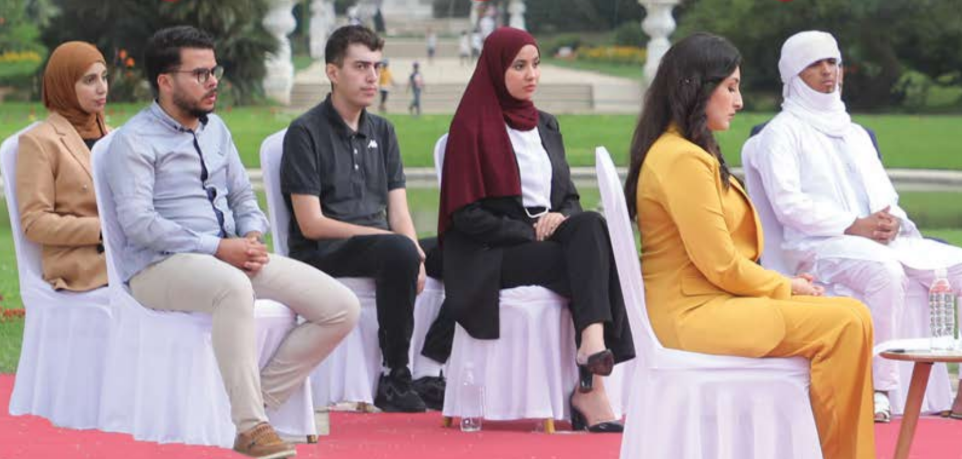
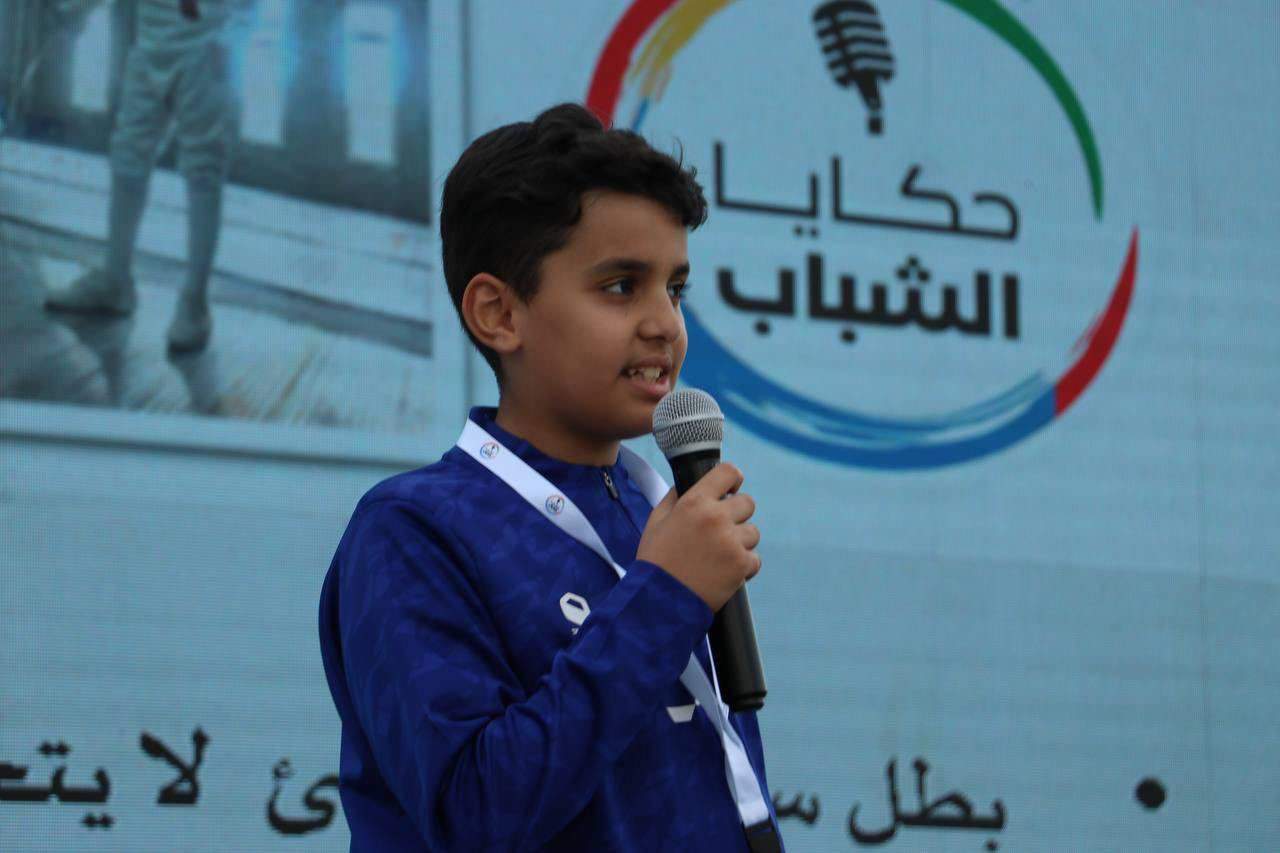
The event features inspiring stories and sports experiences, with 14 speakers each having 18 minutes to share insights.
Revitalised National Youth Service
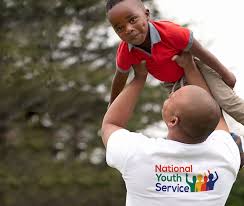
The primary aim of the NYS program is to mobilize young people to become active citizens of the country’s democracy, while earning an income and increasing their employability.
Youth Councils
A youth group, representing both institutional and geographical scopes, is accredited according to the standards set by the Federal Youth Authority, with legislation and decisions guiding its establishment. Through various initiatives and projects, youth councils work to implement the national youth agenda, driven by young individuals who bring boundless energy and skills.