
Nahno
A national youth engagement and volunteering platform that consolidates and streamlines volunteer work in Jordan.
المجلس الوطني الشبابي الفلسطيني
جسم شبابي فلسطيني، على غرار البرلمانات الشبابية العربية. (التسمية: تيمُناً بالمجلس الوطني الفلسطيني)
Brain Bar’s Talent Market™
Talent Market™ connects Hungary’s top youth with leading employers, boosting careers through jobs, skills, networks, and transformative festival experiences.
Brain Bar’s Student Ambassador Program
Empowering 100+ young ambassadors with future-proof skills, career insight, and leadership experience to inspire peers and shape Hungary’s future.
Brain Bar Festival
A festival on the future, empowering 10,000+ young Hungarians yearly through interactive learning, inspiration, and career development to become future-shapers.
Youth Stories 2025
A youth-focused program fostering critical thinking, creativity, and dialogue, featuring young speakers sharing inspiring sports stories and experiences.
المجلس الوطني الشبابي الفلسطيني
هو إطار وطني مؤسسي جامع يُعنى بتمكين الشباب الفلسطيني وتعزيز مشاركتهم في صنع القرار والسياسات العامة ذات الصلة بقضاياهم الوطنية
الحملة الوطنية التطوعية لقطف الزيتون
نعد الحملة واحدة من أكبر الفعاليات التطوعية في فلسطين، حيث يشارك فيها سنويًا ما يقارب 1500 متطوع ومتطوعة
المخيمات الصيفية
بناء وتنمية وصقل شخصيات الطلائع، وتأهيلهم لمستقبل أفضل عبر بيئات آمنة، ممتعة، ومحفّزة للإبداع
مجموعة عطاء التطوعية
مبادرة شبابية وطنية تهدف إلى تعزيز جاهزية المجتمع الفلسطيني في مواجهة الأزمات
Best Practice Overview
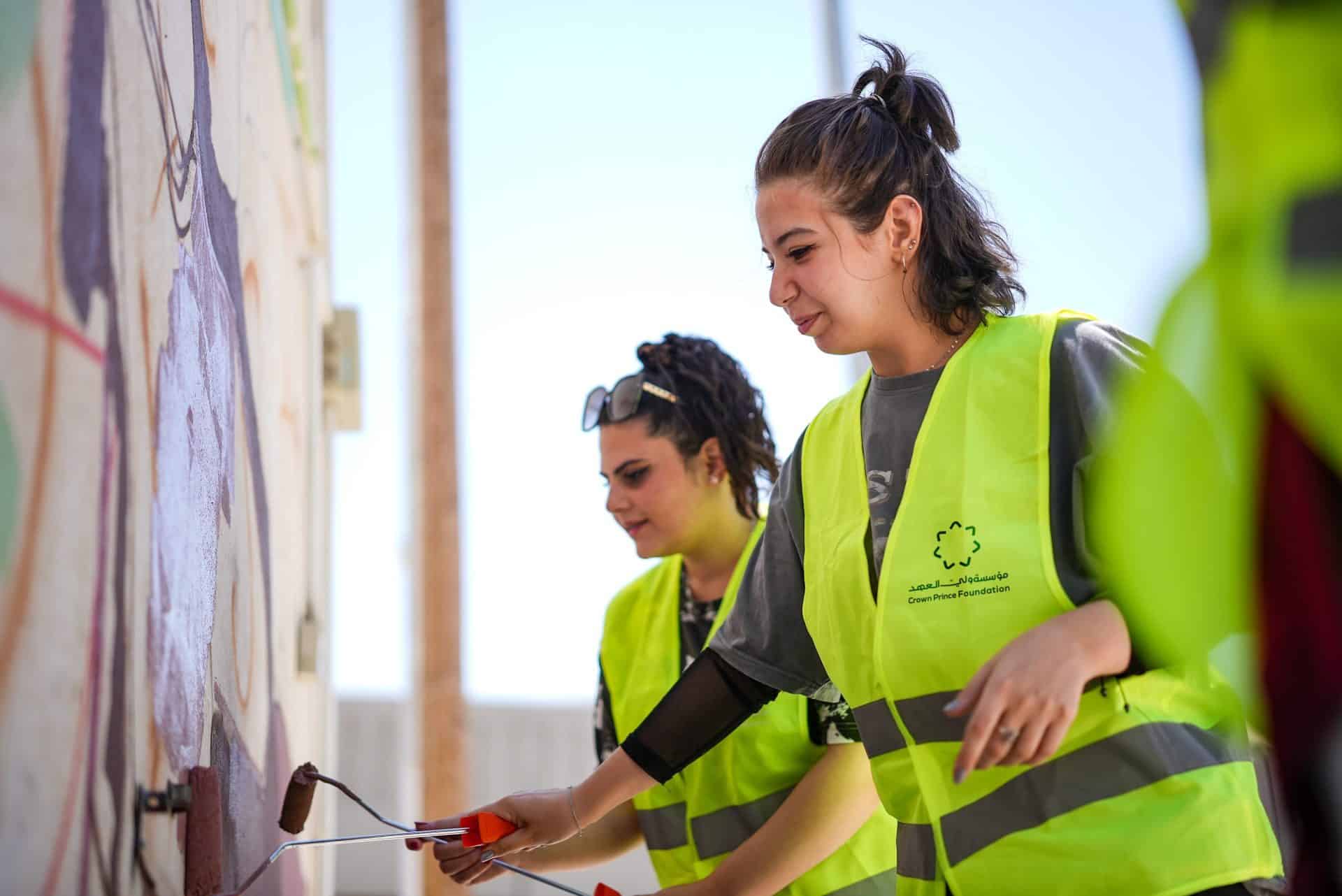
Nahno is a national youth engagement and volunteering platform that consolidates and streamlines volunteer work in Jordan.
Nahno brings together the efforts of the public and private sectors and civil society to provide the largest number of volunteering opportunities, across multiple fields and disciplines. The Platform promotes volunteer work and civic responsibility by connecting volunteers with opportunities, enabling them to engage meaningfully in areas aligned with their own interests. Through its online presence, Nahno reaches youth across the Kingdom, involving them in the development of their respective communities and planting in them the seeds of civil service, social responsibility and collective action.
However, Nahno’s role extends far beyond connecting volunteers with opportunities. Nahno brings together key players to build a thriving and safe environment for the volunteers, defined by a code of conduct and clear, publicized principles that clarify the rights and responsibilities of all involved. Nahno documents all volunteer participation, accredits volunteer hours, and retains a social impact profile for each volunteer. The Platform’s organization and records encourage volunteer participation and ensure transparency and accountability. Furthermore, Nahno enhances volunteer integration into activities, provides a clear map of the most important contributions to be made, and relates volunteer efforts and opportunities directly to the Sustainable Development Goals (SDGs). This helps to focus volunteer work in the areas that have the greatest impact and demonstrate the most significant and sustainable results.
Benefits: Consistent volunteering practice develops experiential learning and instills critical professional skills including communication, time-management, project management, problem-solving, leadership and more. Records of volunteer hours, initiatives and accomplishments enable youth to see the positive impact of their actions and connect them directly to the improvement of their environments. These experiences enrich youth’s exposure and increase their access to opportunities. Through Nahno, the Crown Prince Foundation (CPF) aims to grow the spirit of belonging, cooperation and social responsibility among youth, as well as a recognition of the impact and importance of collective work.
The Al Hussein bin Abdullah II Award for Voluntary Service is a national award given to recognize outstanding volunteers in Jordan. Participants in Nahno are eligible for the Award which annually honors individuals and entities who contribute to sustainable social development and foster a culture of cooperation, volunteerism and accountability in Jordan. The Award highlights the inspiring initiatives of volunteers and expresses appreciation for their efforts in serving the community and country. It promotes systemic volunteer work and the values of collaboration and unity. Most importantly, this annual national award builds a spirit of social responsibility and encourages members of the community to be active in volunteer work.
Nahno was launched in 2019 by CPF in partnership with United Nations Children’s Fund (UNICEF) and in cooperation with the Ministry of Youth. The Platform is open to youth of all ages in Jordan and seeks those who demonstrate a genuine interest in volunteer work, commitment, and a dedication to societal and national responsibility.
Best Practice Overview
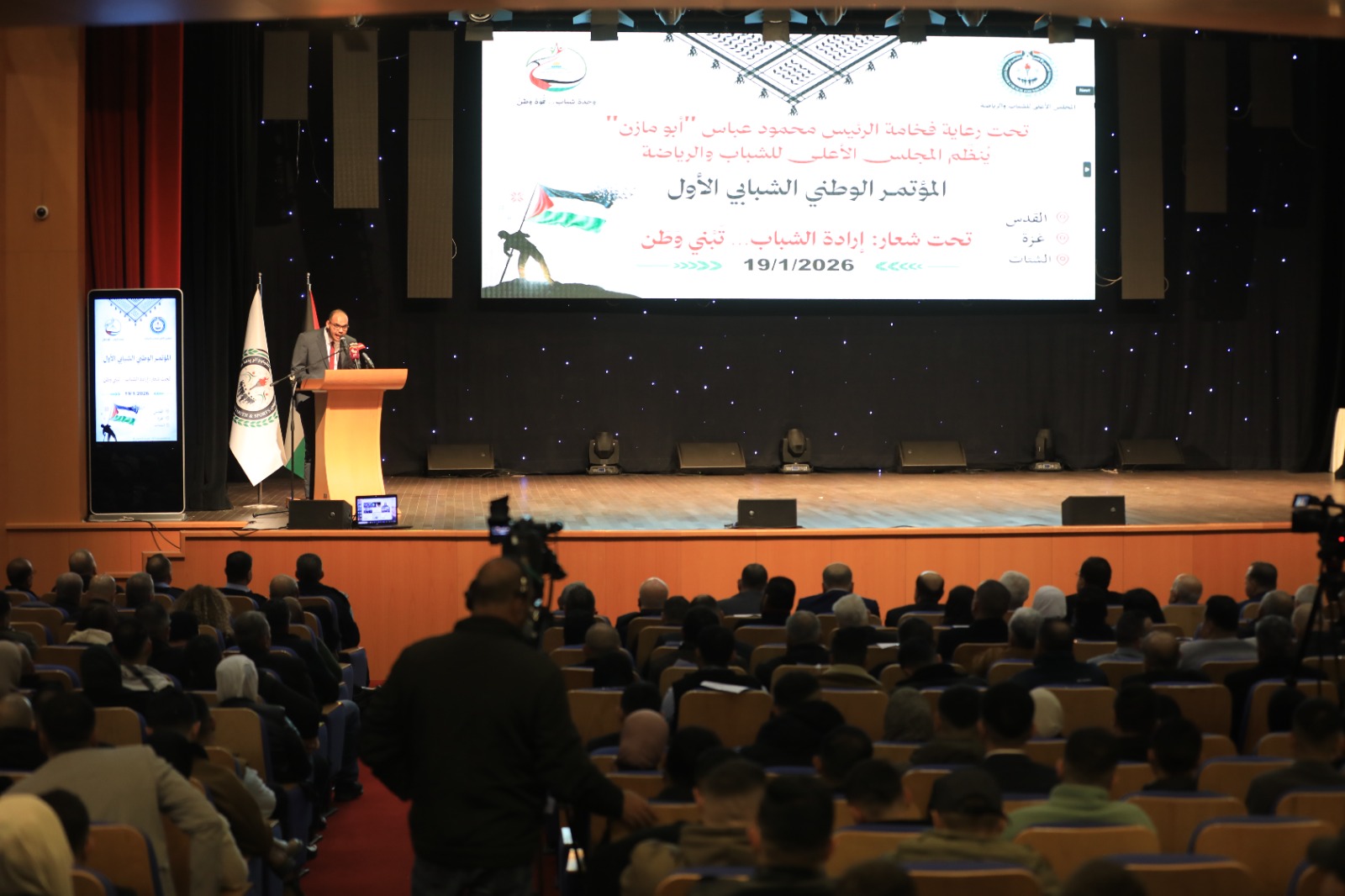
التعريف: هو إطار وطني مؤسسي جامع يُعنى بتمكين الشباب الفلسطيني في الوطن والشتات، وتعزيز مشاركتهم الفاعلة في صنع القرار والسياسات العامة ذات الصلة بقضاياهم الوطنية والتنموية.
Best Practice Overview
Talent Market™ is Brain Bar’s flagship initiative that bridges the gap between Hungary’s brightest young talents and the country’s most renowned companies. It creates a mutually beneficial ecosystem where corporate partners discover exceptional future employees, while students and young professionals gain the tools, skills, and connections needed to thrive in a rapidly changing world.
The initiative operates both online and offline — combining a dedicated website for high-impact job listings and in-person experiences at the festival, where participants meet company experts, explore career paths, and develop employable skills.
Goals:
- Support youth employability by connecting high-potential students and graduates with meaningful, future-oriented job opportunities.
- Provide companies access to Hungary’s most ambitious young talents from diverse disciplines — from STEM and engineering to finance and the humanities.
- Promote lifelong learning and skill development to prepare youth for a rapidly transforming digital economy.
Methodology:
#1 – Online Platform: Talent Market™ Job Search Website
- Hosts intriguing, high-value job opportunities designed for ambitious young people in various fields.
- Allow corporate partners to showcase roles that demand creativity, problem-solving, and innovation.
#2 – Festival Integration: Live Networking & Skill-Building
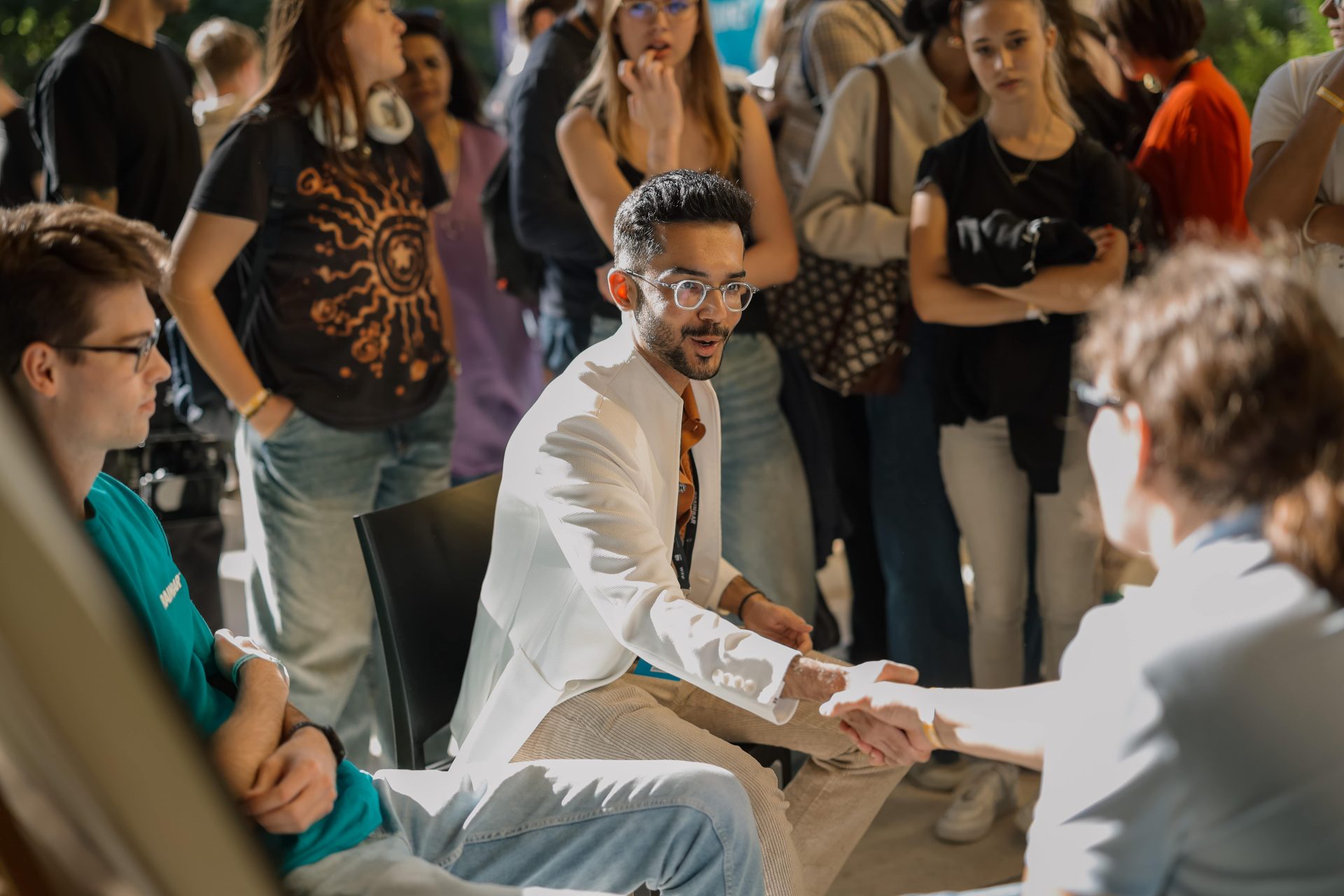
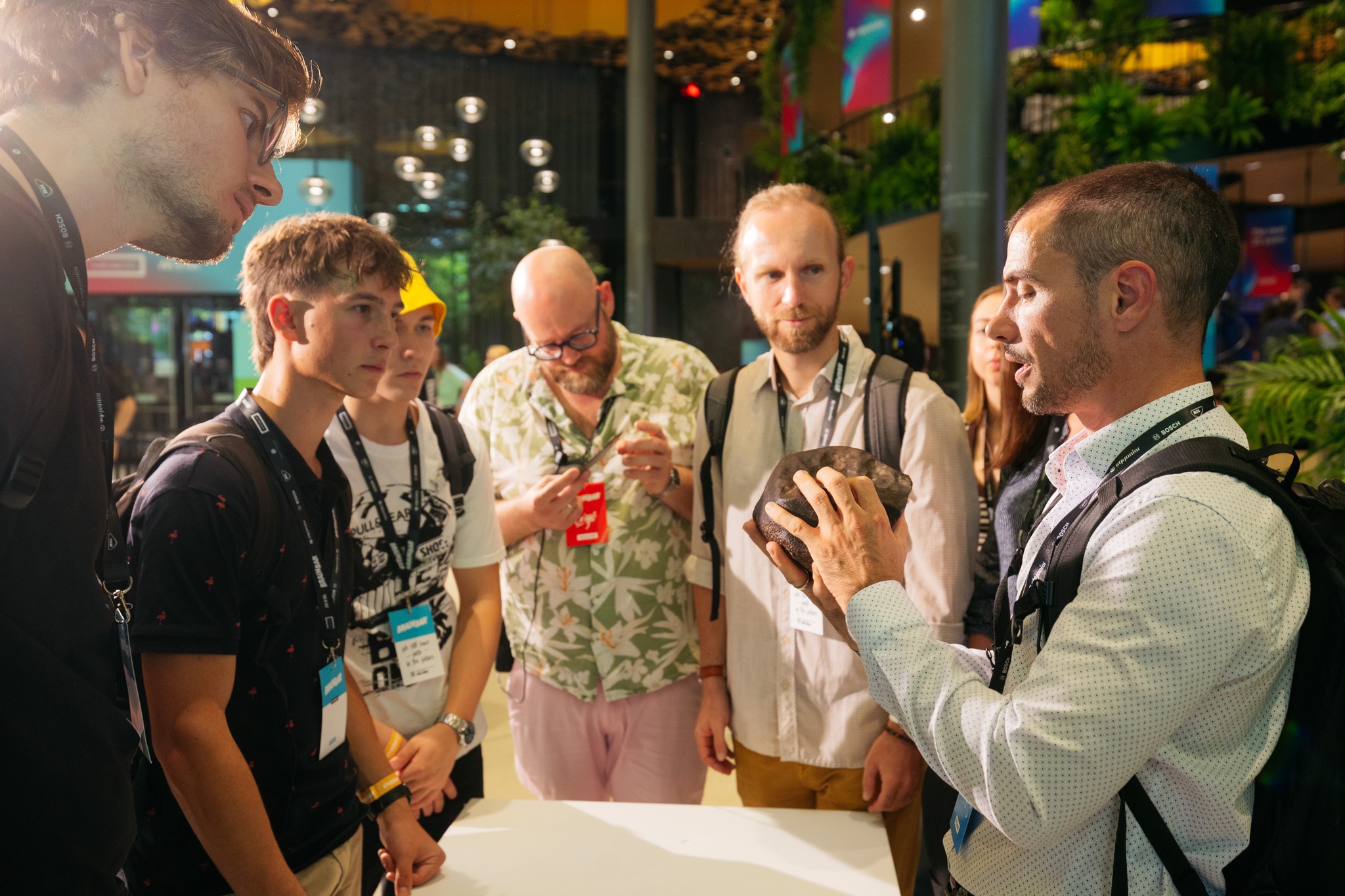
- During Brain Bar Festival, attendees engage directly with company representatives, HR professionals, and industry experts.
- Partners host interactive sessions, job fairs, and skill workshops, creating a seamless link between knowledge and employability.
#3 – Comprehensive Skill Development
The program equips youth with:
- A deep understanding of global and technological trends.
- Digital transformation tools for the modern workplace.
- Employable skills — from business and data literacy to communication, self-management, and problem-solving.
- Broad professional networks and access to high-impact career opportunities.
Outcomes:
- Organized job fairs as Brain Bar festival’s side events, with 130+ successful hires annually.
- BlackRock achieved a 100% hiring rate through Talent Market™ collaborations.
- The initiative contributes to national job-skills integration efforts by aligning youth potential with market demand.
- The platform continues to grow as a trusted meeting point for Hungary’s top companies and emerging talent.
Key Success Factors:
- Integration of digital and real-world engagement for sustained career impact.
- Collaboration with Hungary’s largest employers and most future-focused companies.
- Strong focus on skills development and accessibility
- Proven track record of measurable hiring outcomes and long-term partnerships.
Conclusion:
Talent Market™ is more than a recruitment initiative — it’s a transformative career ecosystem. By connecting the next generation of experts with the nation’s most innovative companies, Brain Bar ensures that Hungary’s youth don’t just find jobs — they build futures.
Best Practice Overview
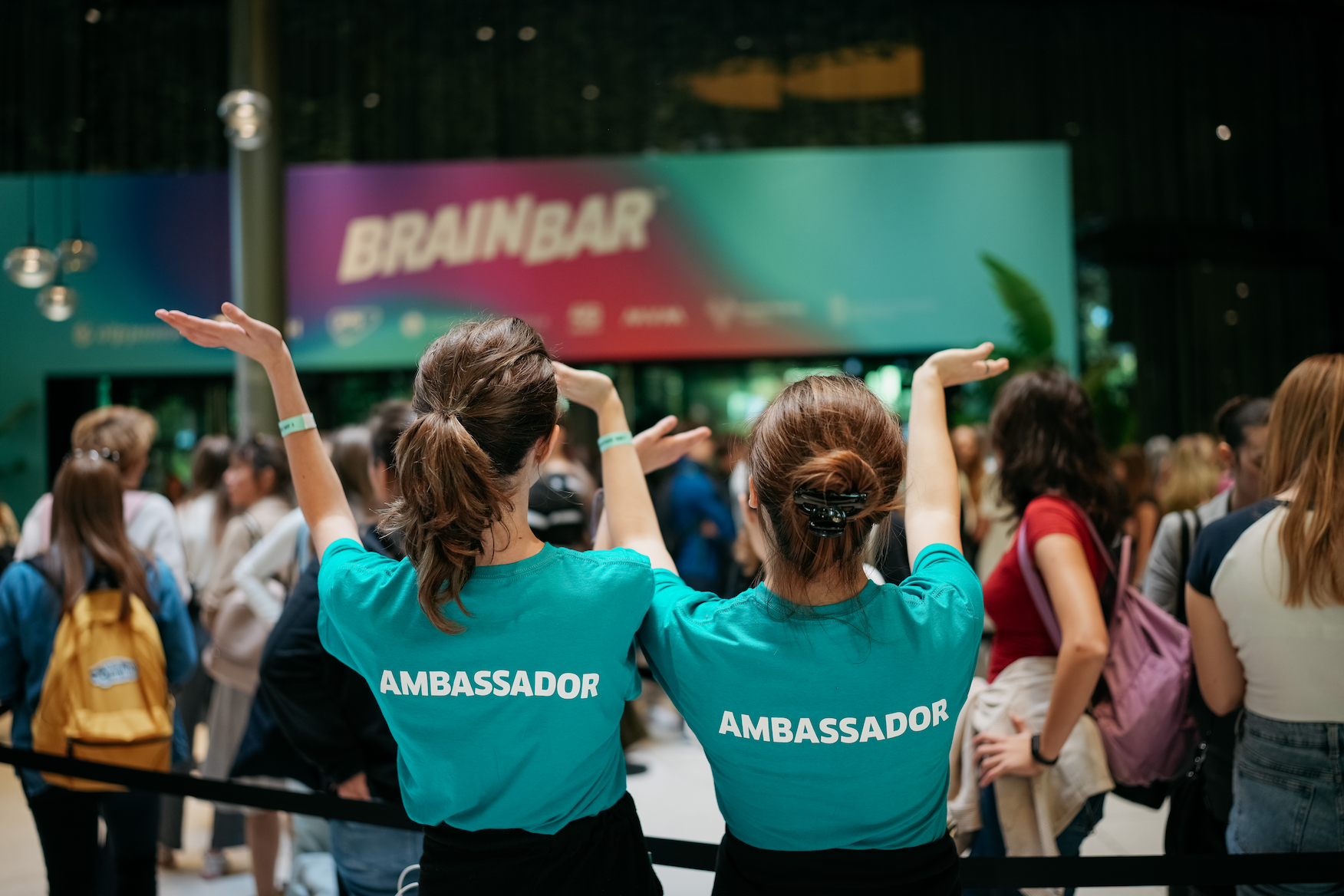
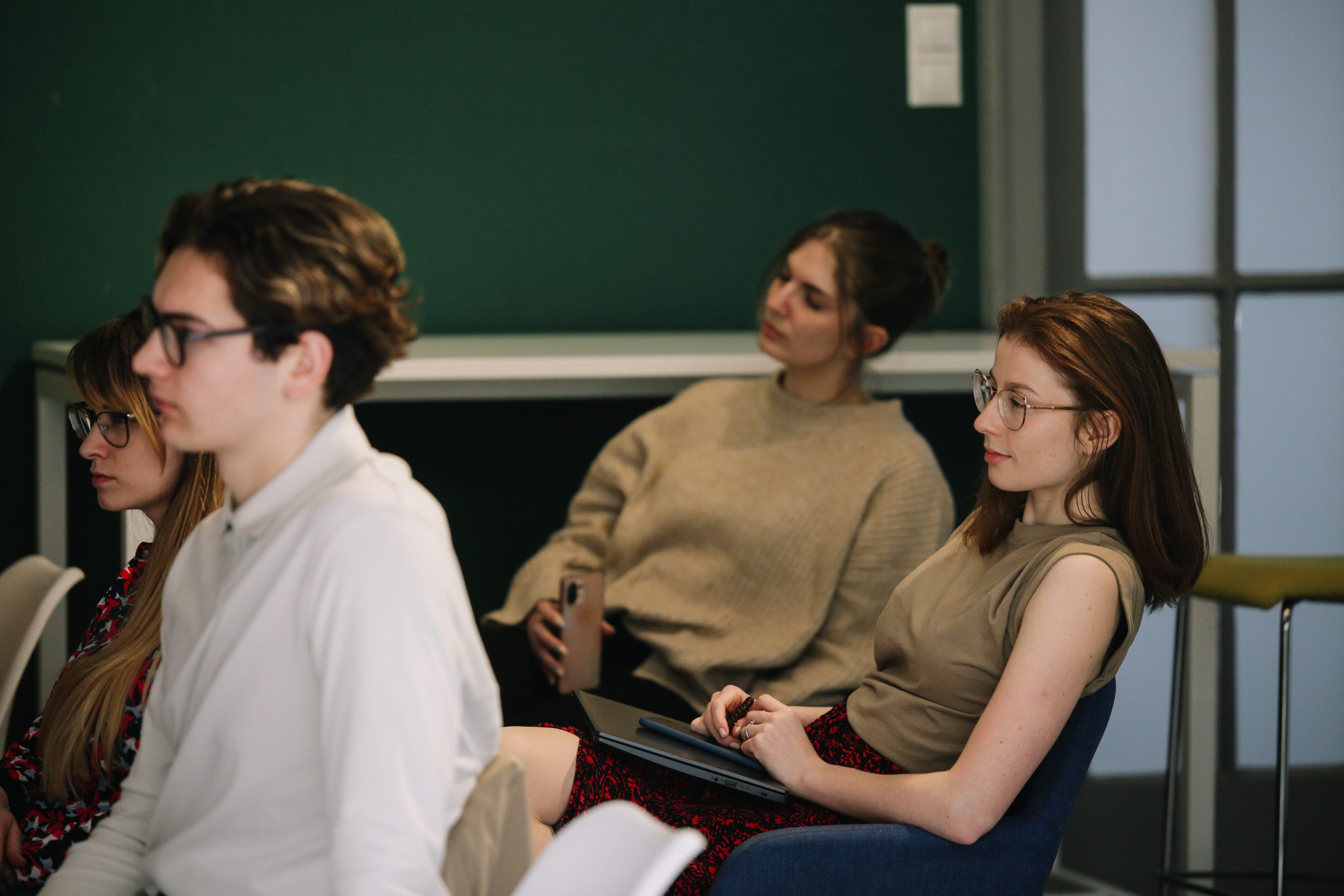
Brain Bar’s Student Ambassador Program is a dynamic initiative that nurtures over 100 exceptional young changemakers from universities and high schools across Hungary. The program empowers them with future-proof skills, labour-market insights, and hands-on experience in festival organisation, all while enabling them to act as catalysts for youth engagement in their own communities.
Ambassadors represent the next generation of Hungary’s creative, highly talented and ambitious leaders — bridging the gap between education, industry, and civic participation.
Goals:
- Upskill young talents through practical workshops focused on leadership, communication, and professional readiness.
- Build bridges between students, Brain Bar, and corporate partners to foster mutual learning and recruitment opportunities.
- Empower youth communities by turning ambassadors into advocates for learning, growth, and future-oriented thinking.
- Strengthen youth outreach across Hungary by leveraging ambassadors’ influence within schools, universities, and online spaces.
Methodology:
#1 – Monthly Educational Workshops
- Ambassadors participate in interactive workshops on future-proof skills such as digital literacy, teamwork, critical thinking, and self-management.
- Sessions also include industry insights from Brain Bar’s partner companies, offering an inside look at real-world work environments and career paths.
#2 – Career Exposure & Talent Development
- Corporate partners can meet ambassadors during workshops and other events, and identify high-potential future employees.
- Ambassadors gain first-hand experience in event organisation, marketing, and stakeholder collaboration through direct involvement in the festival’s operations.
#3 – Youth Outreach & Community Impact
- Ambassadors serve as local advocates for Brain Bar’s mission, inspiring peers at their institutions to engage with ideas of the future.
- They help expand Brain Bar’s reach nationwide, making it a grassroots movement for curiosity, learning, and leadership.
Outcomes:
- A network of 100+ active ambassadors across Hungarian universities and schools.
- Continuous upskilling through monthly professional and personal development workshops.
- Direct talent pipeline for partner companies seeking ambitious, skilled, and purpose-driven youth.
- Amplified national youth engagement through campus and community initiatives led by ambassadors.
- Stronger connection between education, industry, and civic participation, fostering a culture of proactive leadership.
Key Success Factors:
- Hands-on learning and real-world exposure through collaboration with companies and Brain Bar’s organizing team.
- Sustained mentorship and education, ensuring tangible growth and employability.
- Peer-to-peer influence, multiplying Brain Bar’s impact through grassroots community networks.
- Corporate involvement in identifying and nurturing the country’s most promising young talents.
Conclusion:
The Student Ambassador Program is a living ecosystem of youth empowerment — cultivating leadership, employability, and social impact. By equipping Hungary’s most driven young people with the skills and confidence to lead, Brain Bar ensures that the country’s future is in capable, creative hands.



Best Practice Overview
Overview:
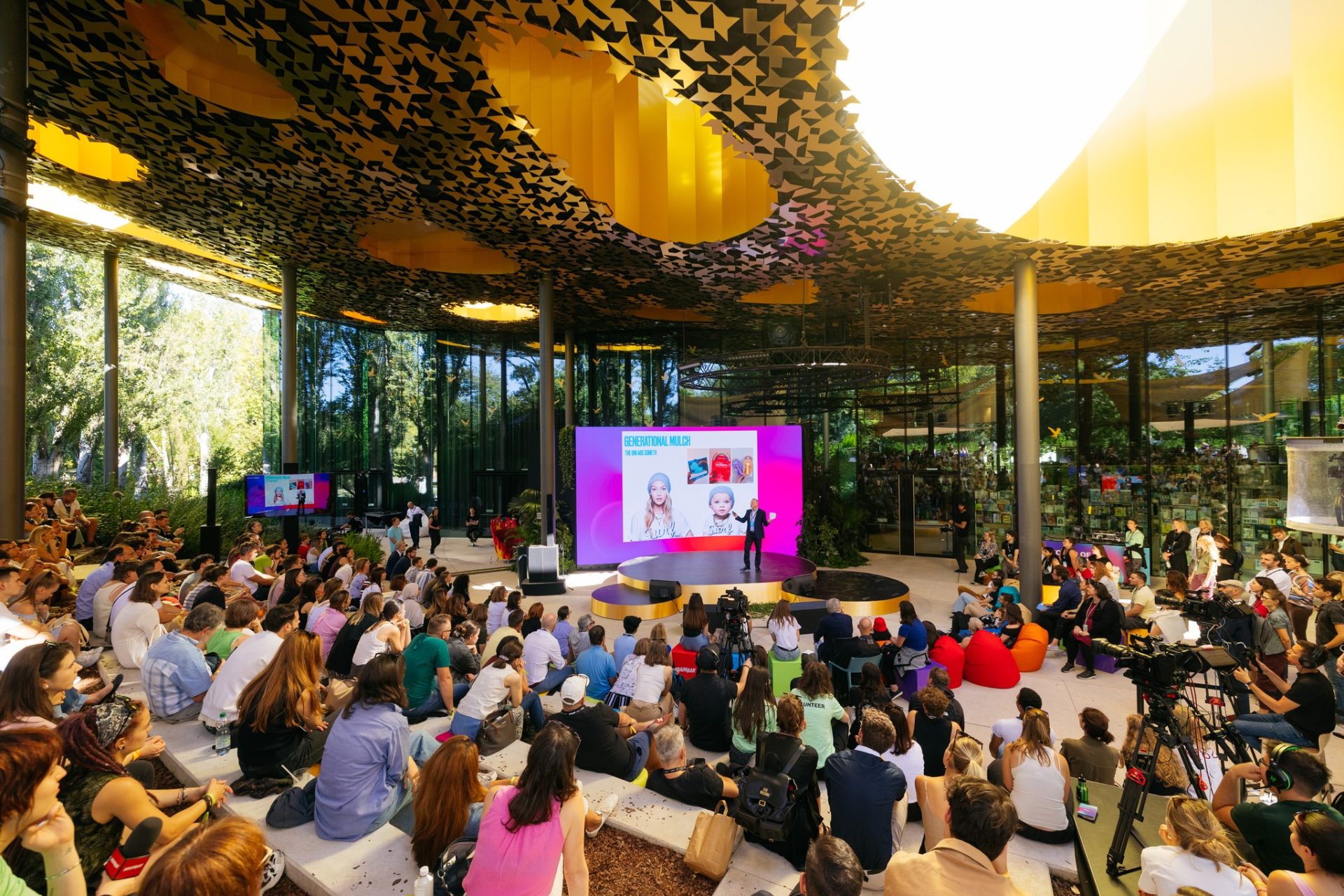
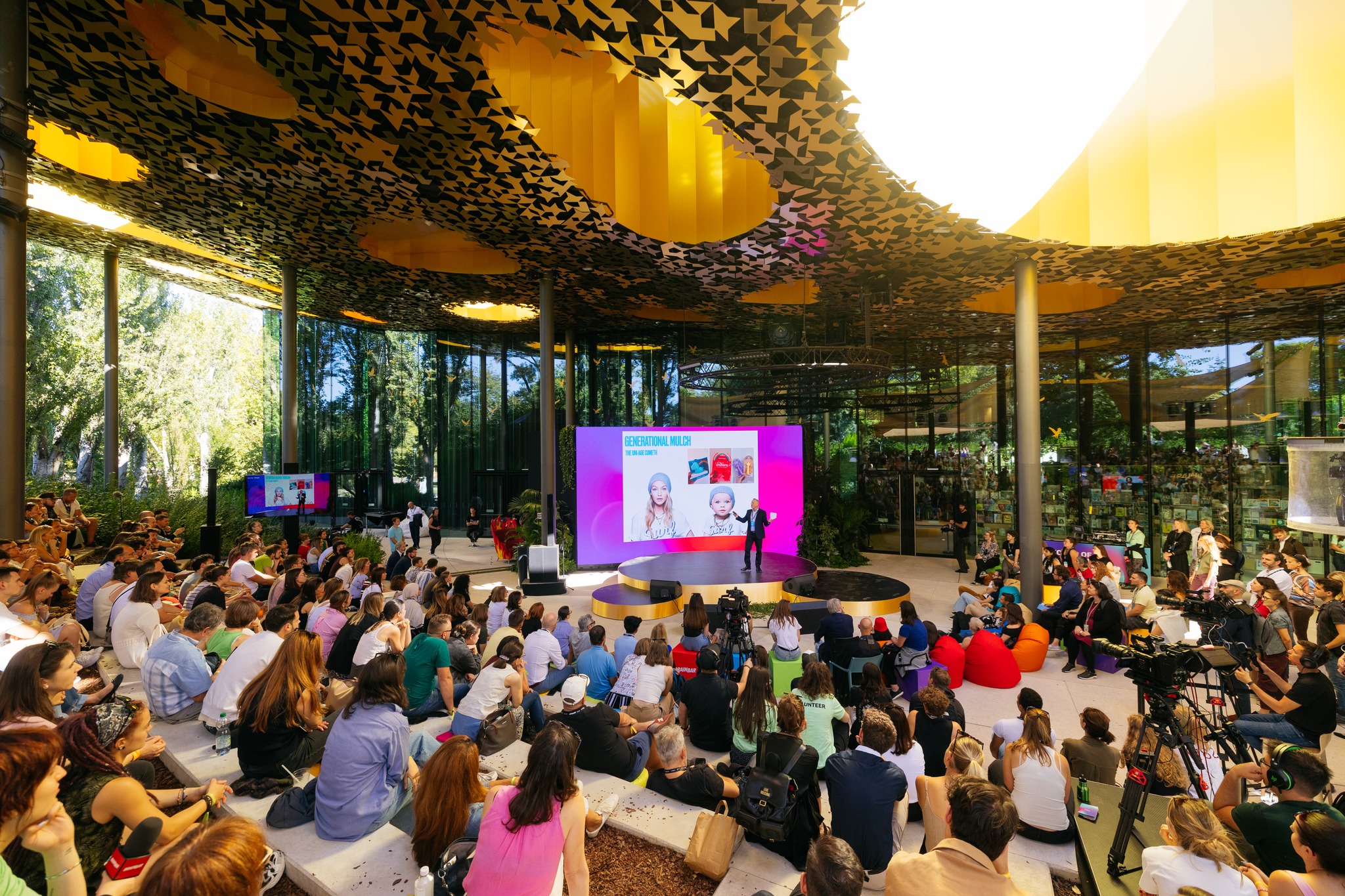
Brain Bar is Europe’s largest festival of the future, bringing together thousands of young Hungarians with the world’s most inspiring thinkers and doers. Through a unique blend of talks, debates, and interactive sessions, the festival empowers youth to become changemakers and leaders equipped to navigate — and shape — the challenges of tomorrow.
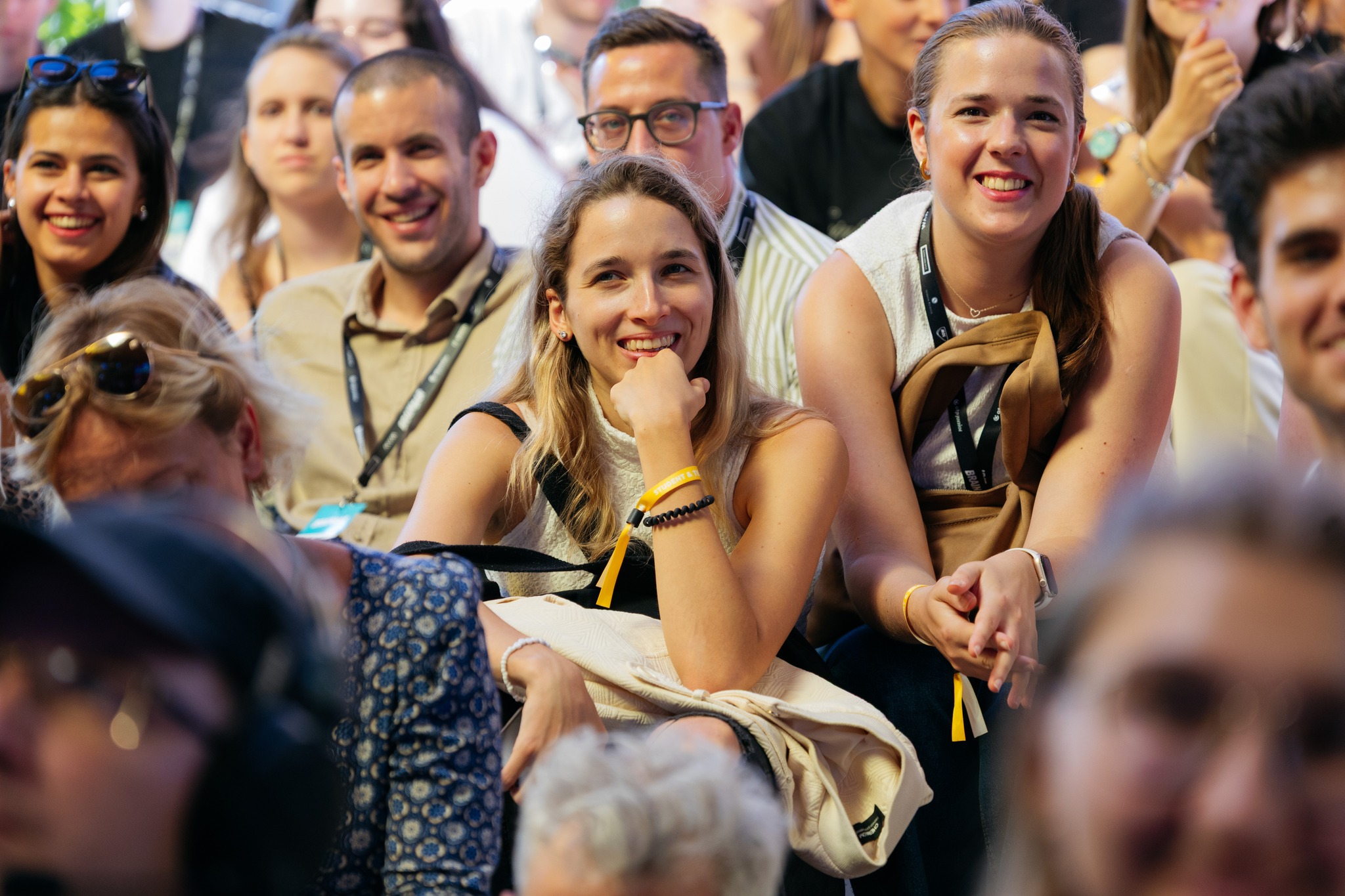
Each year, Brain Bar reaches over 10,000 young people — primarily university and high school students who are ambitious, curious, and eager to develop professionally. In 2025, the festival welcomed a record-breaking 14,000 visitors, solidifying its role as a cornerstone of youth empowerment and future-focused education in Hungary.
Goals:
- Empower young people to take active roles in shaping the future of their communities and careers.
- Foster personal development through direct engagement with experts across disciplines.
- Bridge education and practice by connecting students with real-world professionals.
- Strengthen Hungary’s talent ecosystem by nurturing critical thinking, creativity, and self-confidence.
Methodology:
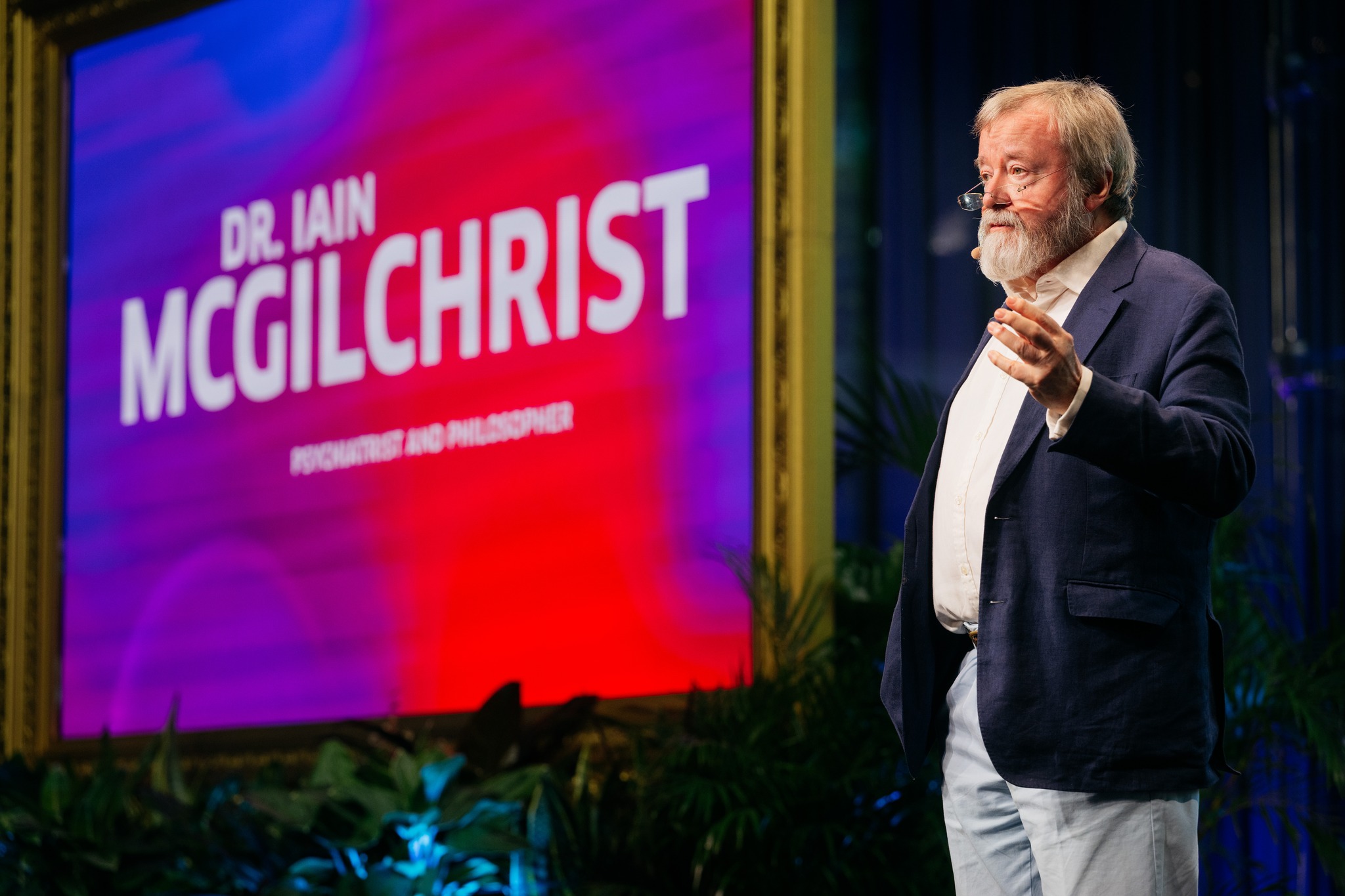
- Curated Multidisciplinary Programming: Brain Bar invites leading scientists, entrepreneurs, philosophers, and creators to explore a wide spectrum of topics — from artificial intelligence and entrepreneurship to neuroscience and psychology — ensuring a holistic learning experience.
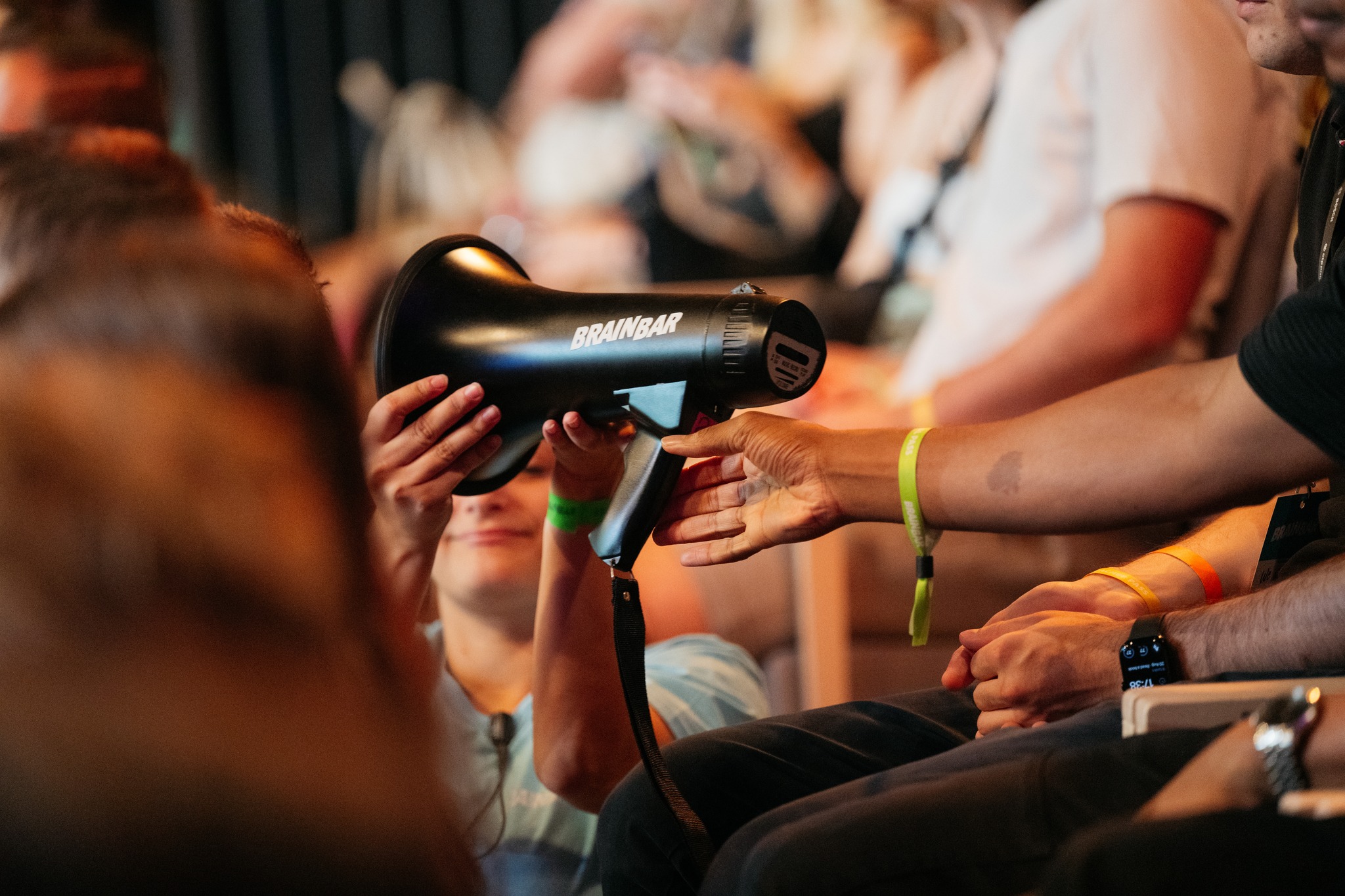
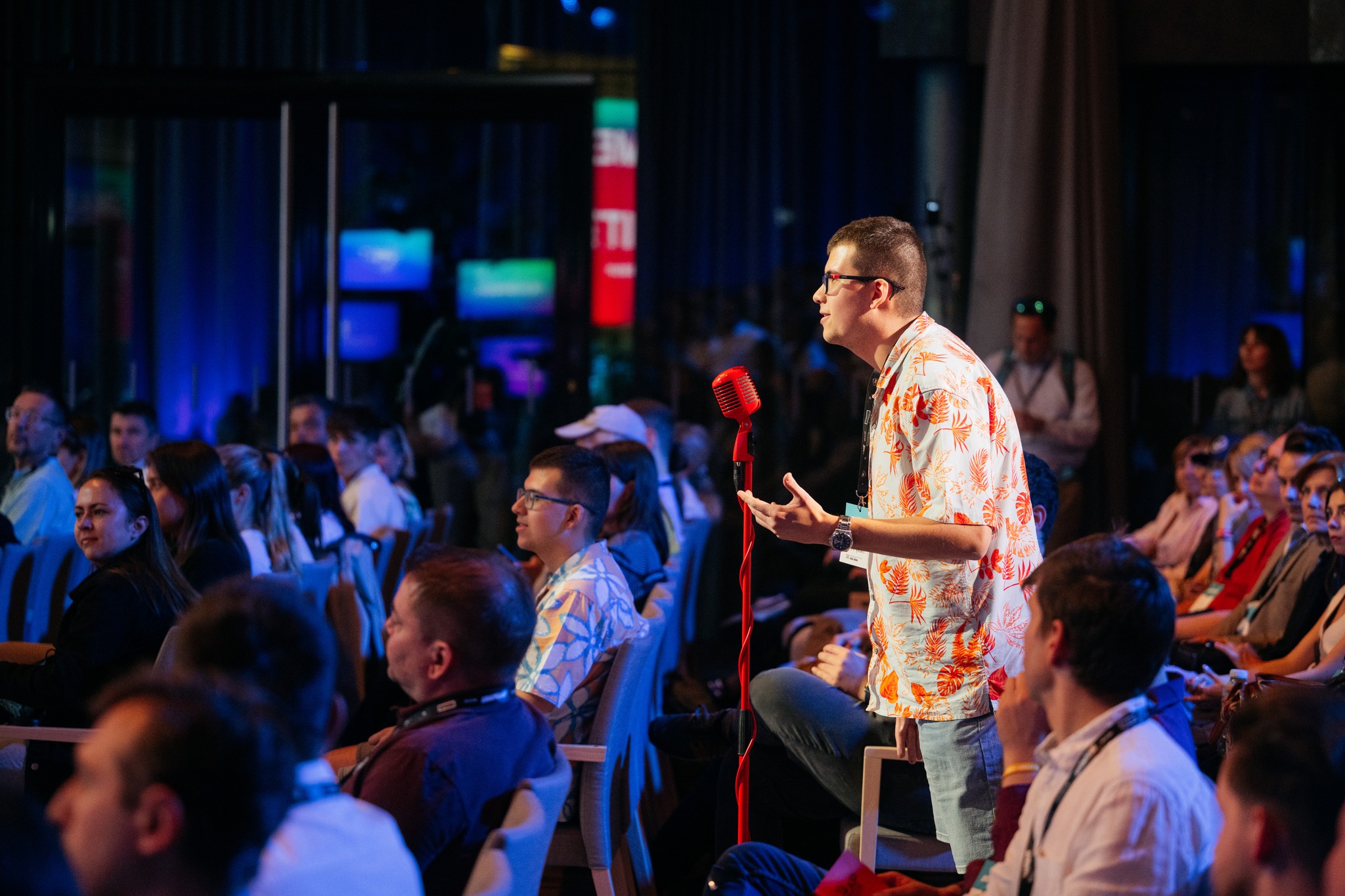
- Interactive Knowledge Exchange: Every stage is designed for two-way learning. Audiences can question speakers during sessions, participate in live debates, and approach guests for one-on-one discussions, turning passive listening into active dialogue.
- Talent Hub for Practical Career Development: The dedicated Talent Hub stage at the festival focuses on career-building and employability. Participants engage with HR professionals, coaches, and mentors to refine their CVs and interview skills, discover career paths aligned with their values, and build meaningful professional networks.
- Inclusive and Accessible Experience: Brain Bar ensures youth from diverse educational and social backgrounds can attend through free passes, school collaborations, and partner programs, making leadership education broadly accessible.
Outcomes:
- 10,000+ young participants annually, with 14,000 attendees in 2025. Majority of visitors are high school and university students seeking growth, professional development, and global perspectives.
- Participants report greater motivation, clarity, and confidence in pursuing personal and professional goals.
- Many attendees go on to launch startups, join innovative companies, or pursue new academic paths inspired by festival encounters.
- Brain Bar has become a national platform for youth empowerment, setting a benchmark for experiential education in Central Europe.
Key Success Factors:
- Interactivity and proximity to world-class experts.
- Diverse and future-focused topics blending science, business, and humanities.
- Practical career development infrastructure via the Talent Hub.
- Commitment to accessibility and social impact through open programs for youth.
Conclusion:
Brain Bar demonstrates how a cultural and intellectual festival can serve as a transformative educational platform — one that not only inspires but equips thousands of young people to lead with confidence, empathy, and vision. By connecting Hungary’s next generation of changemakers with global thought leaders, Brain Bar is shaping the country’s future one conversation at a time.

Best Practice Overview
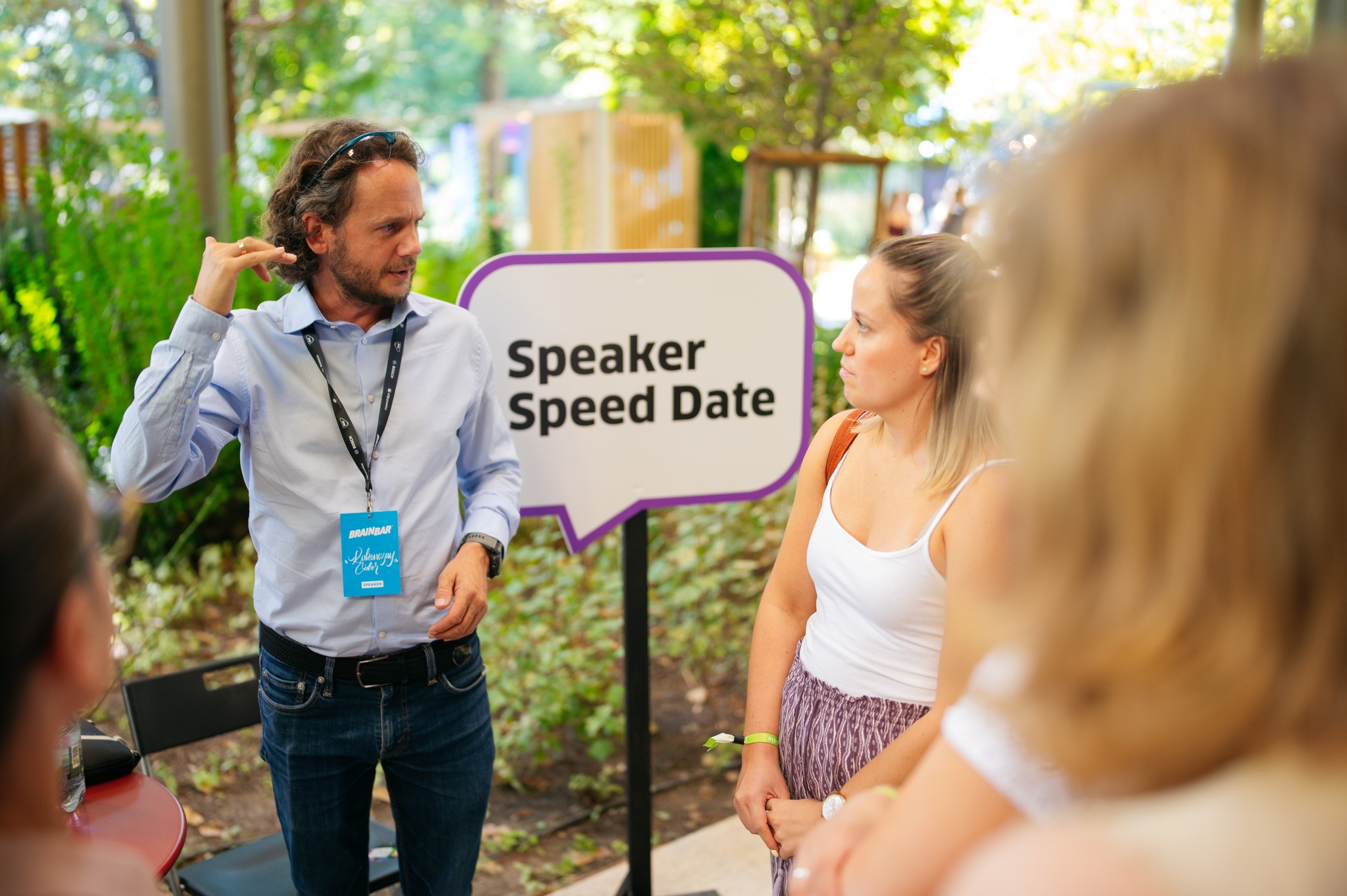
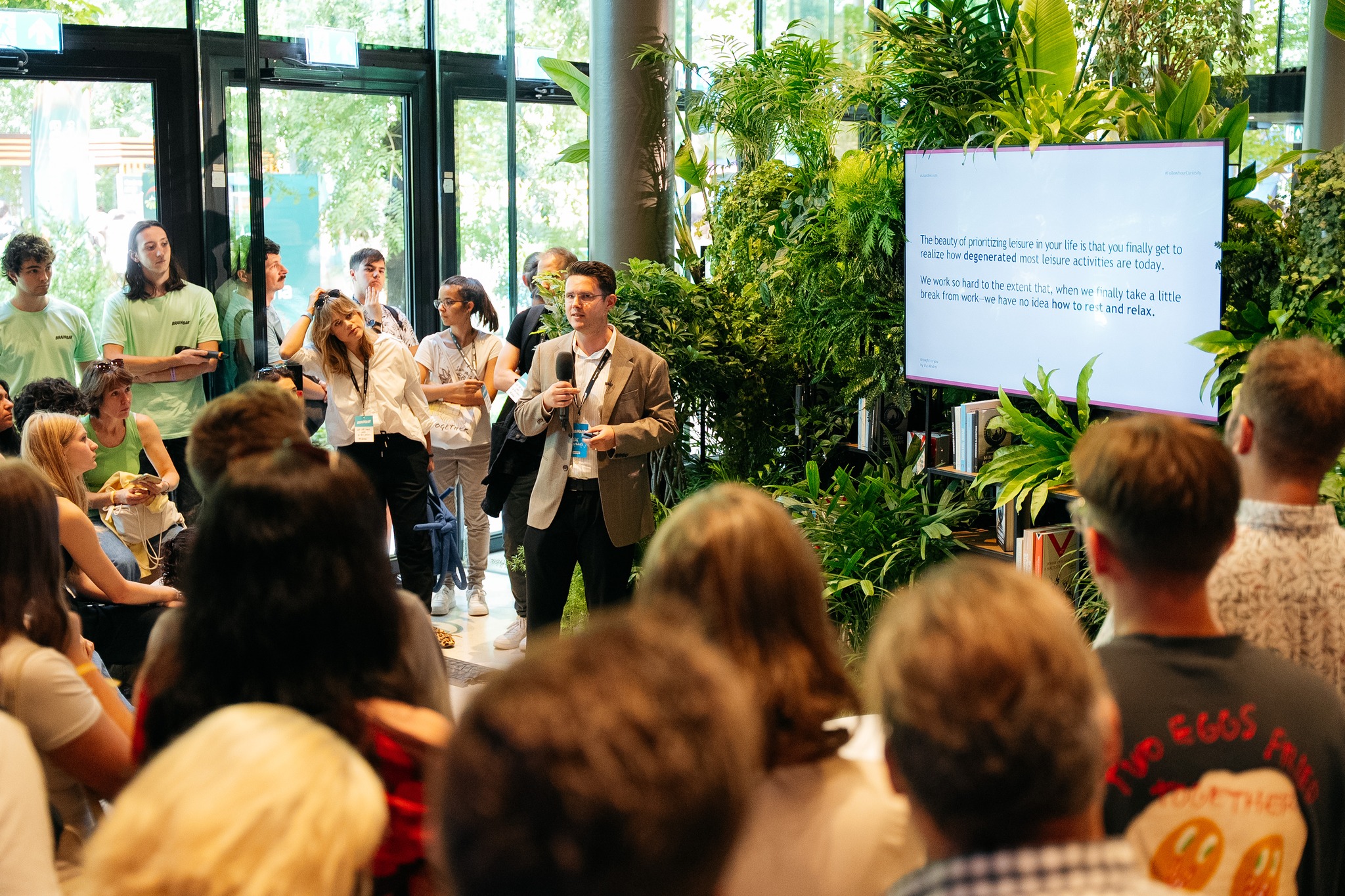
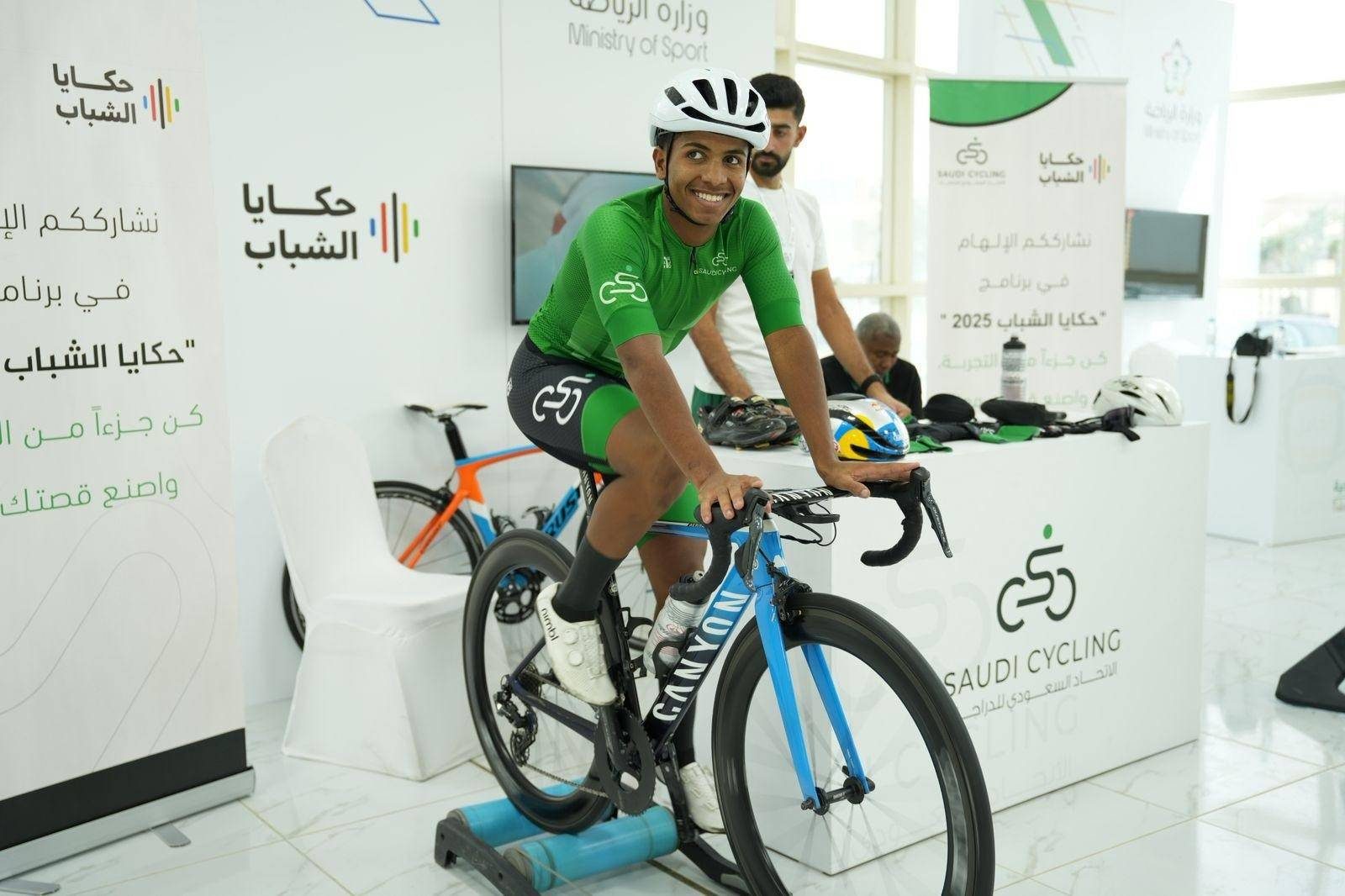
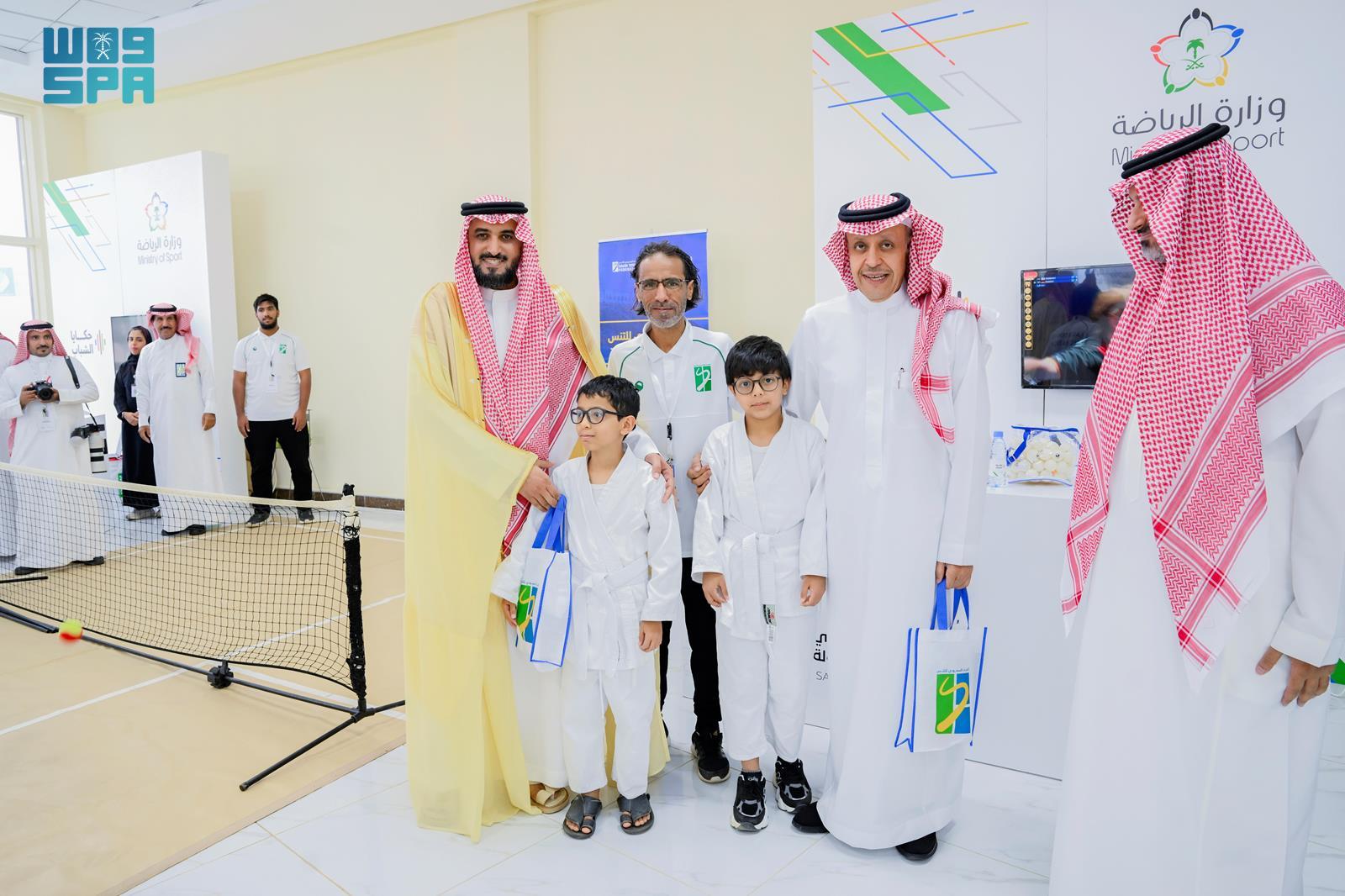
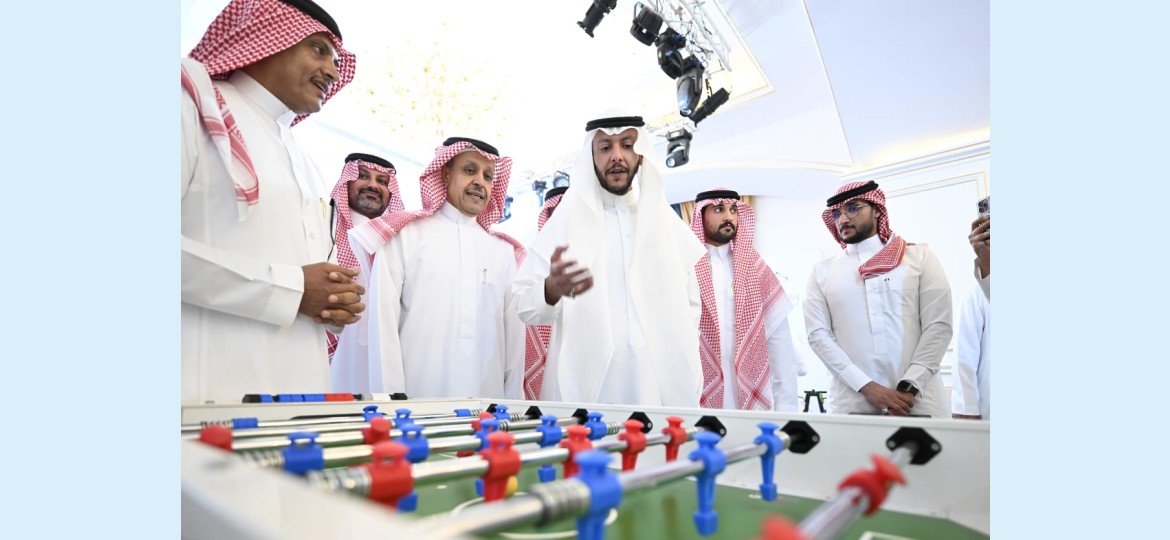
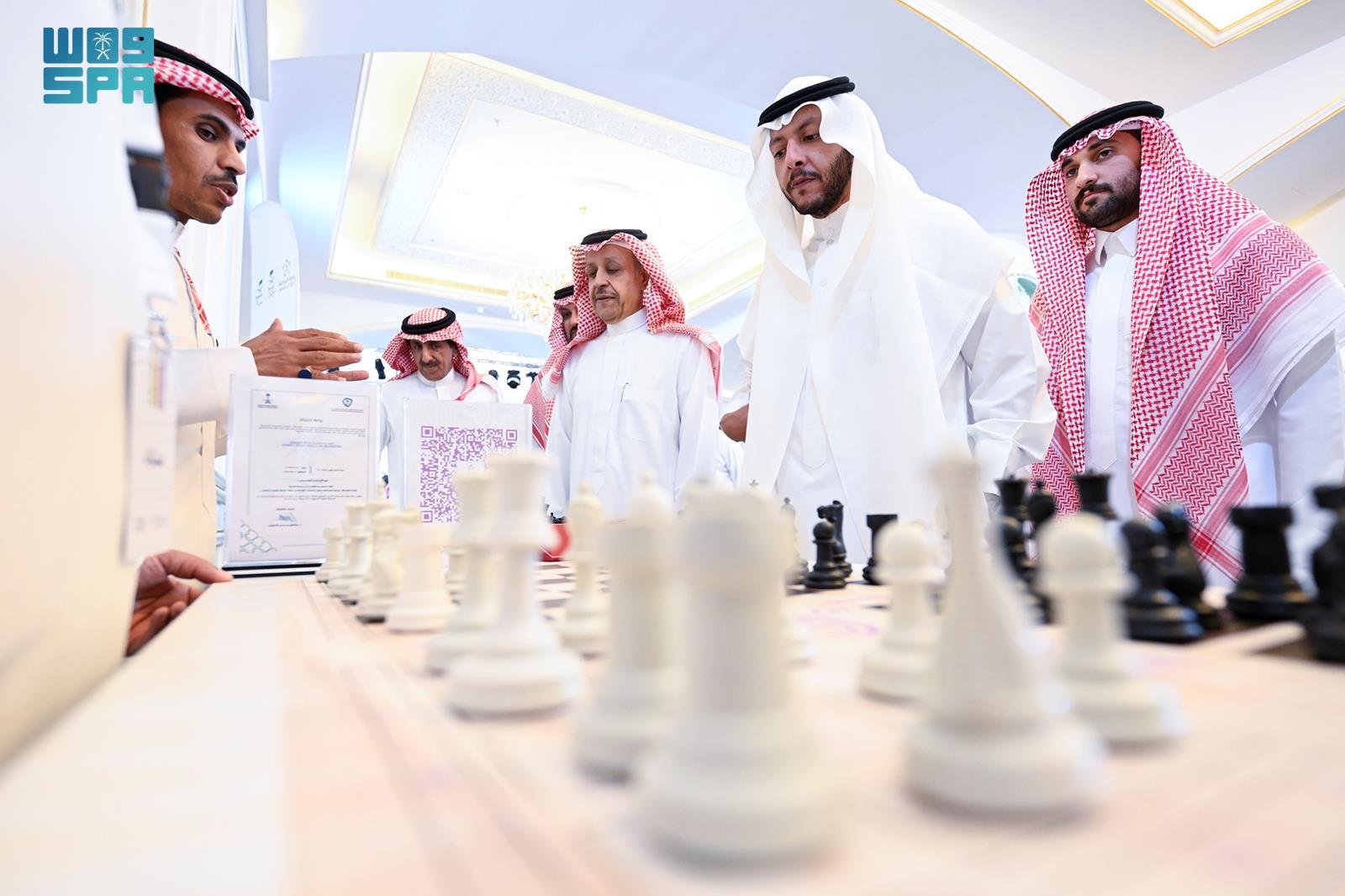
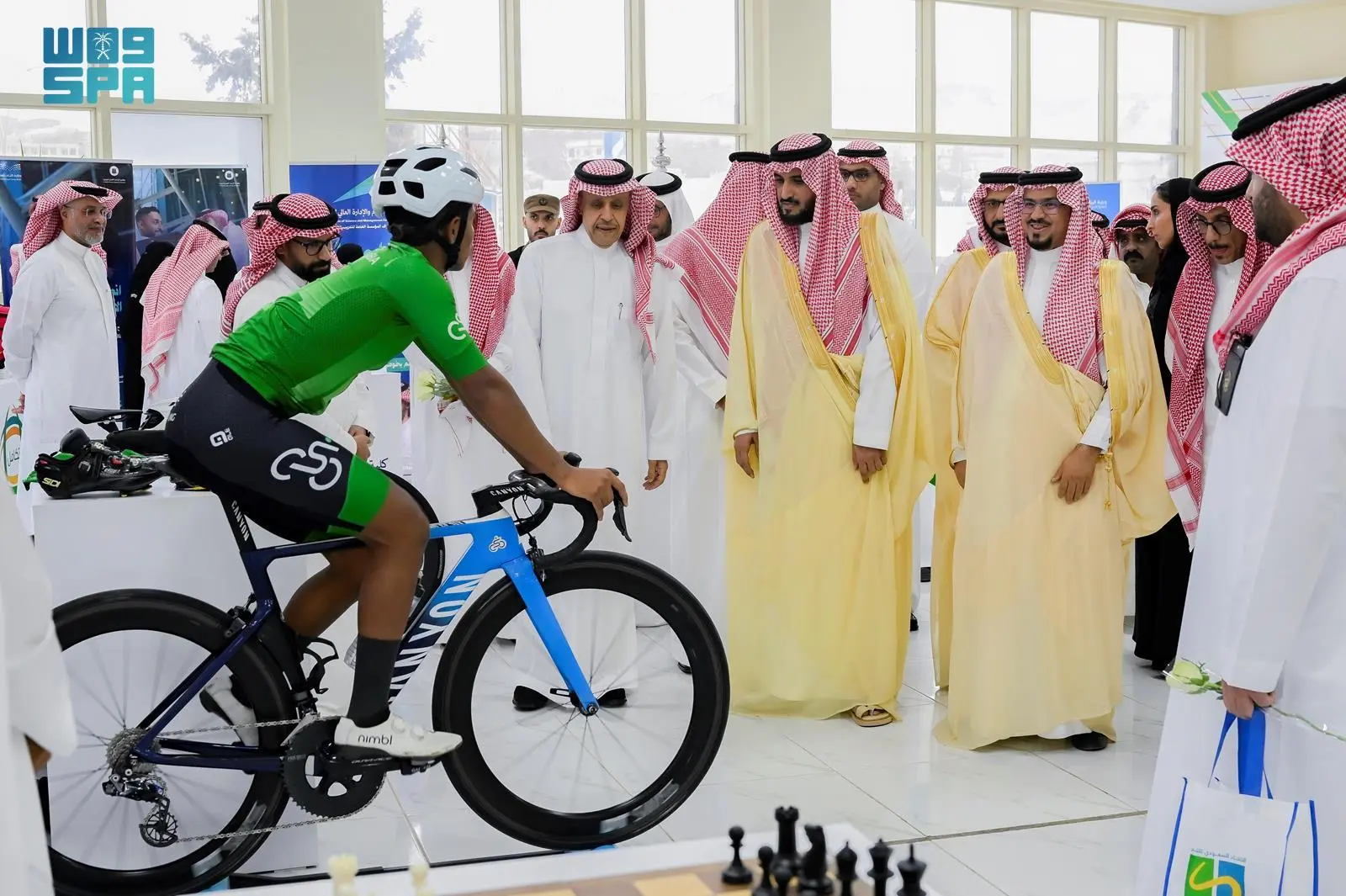
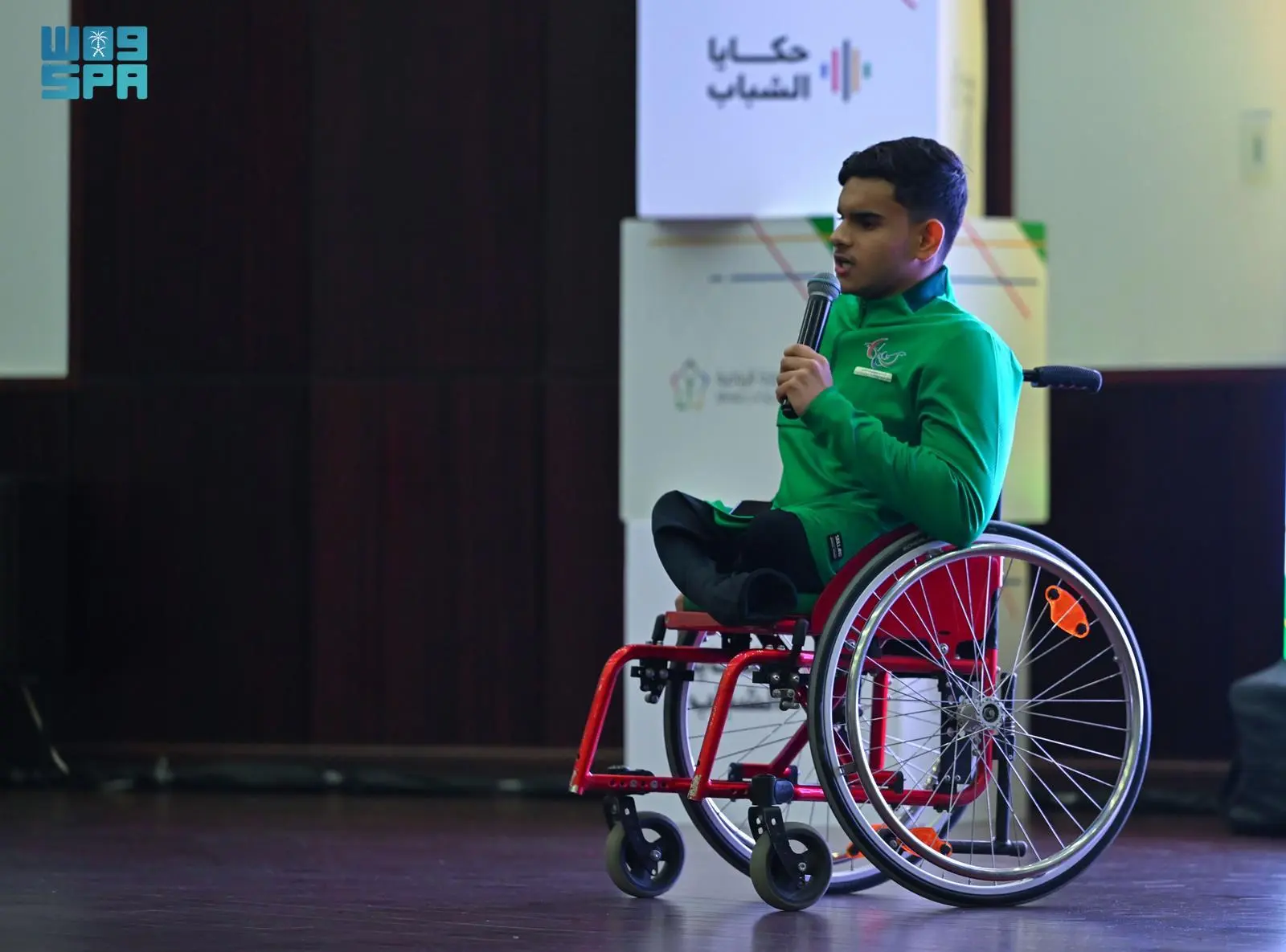
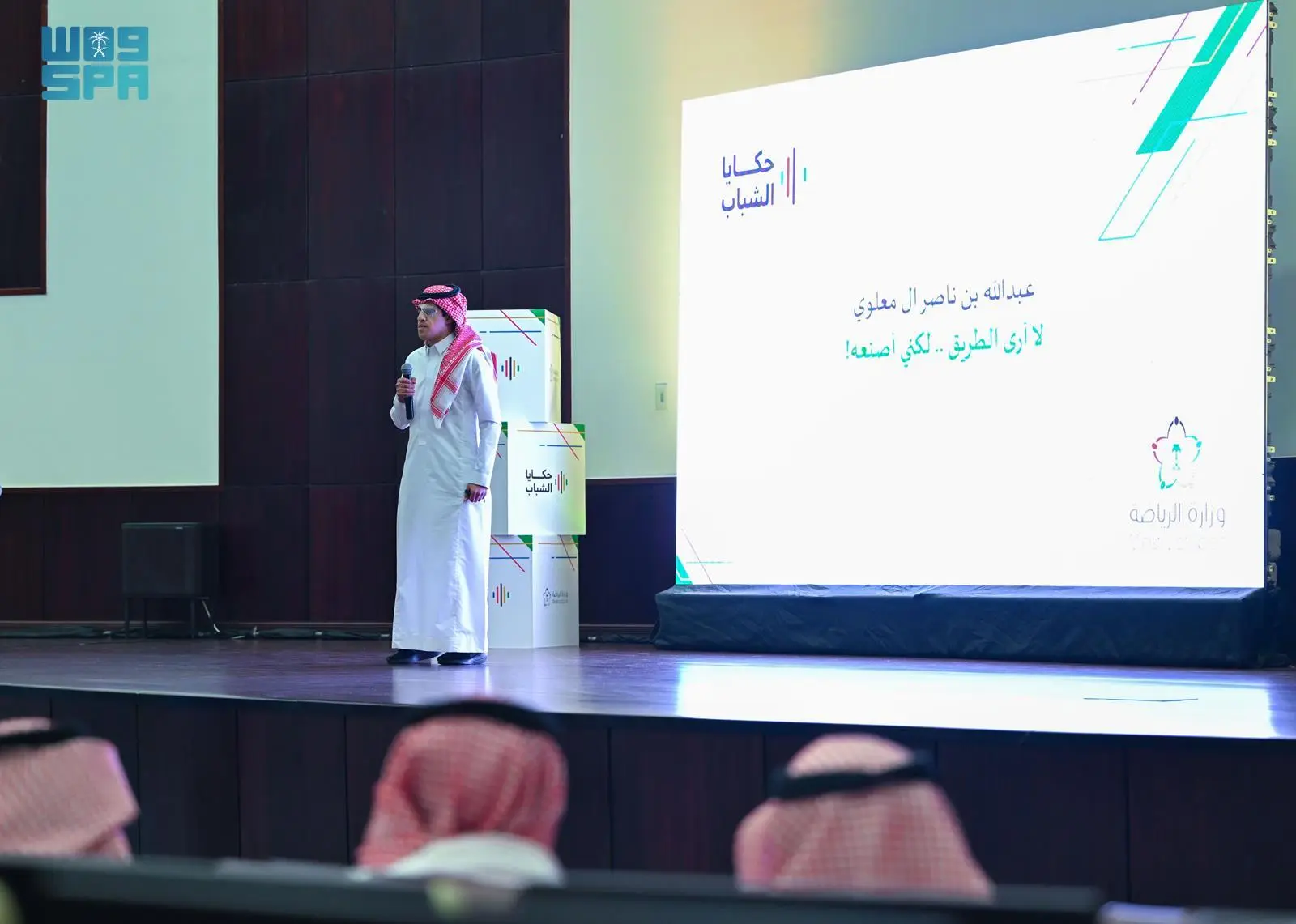
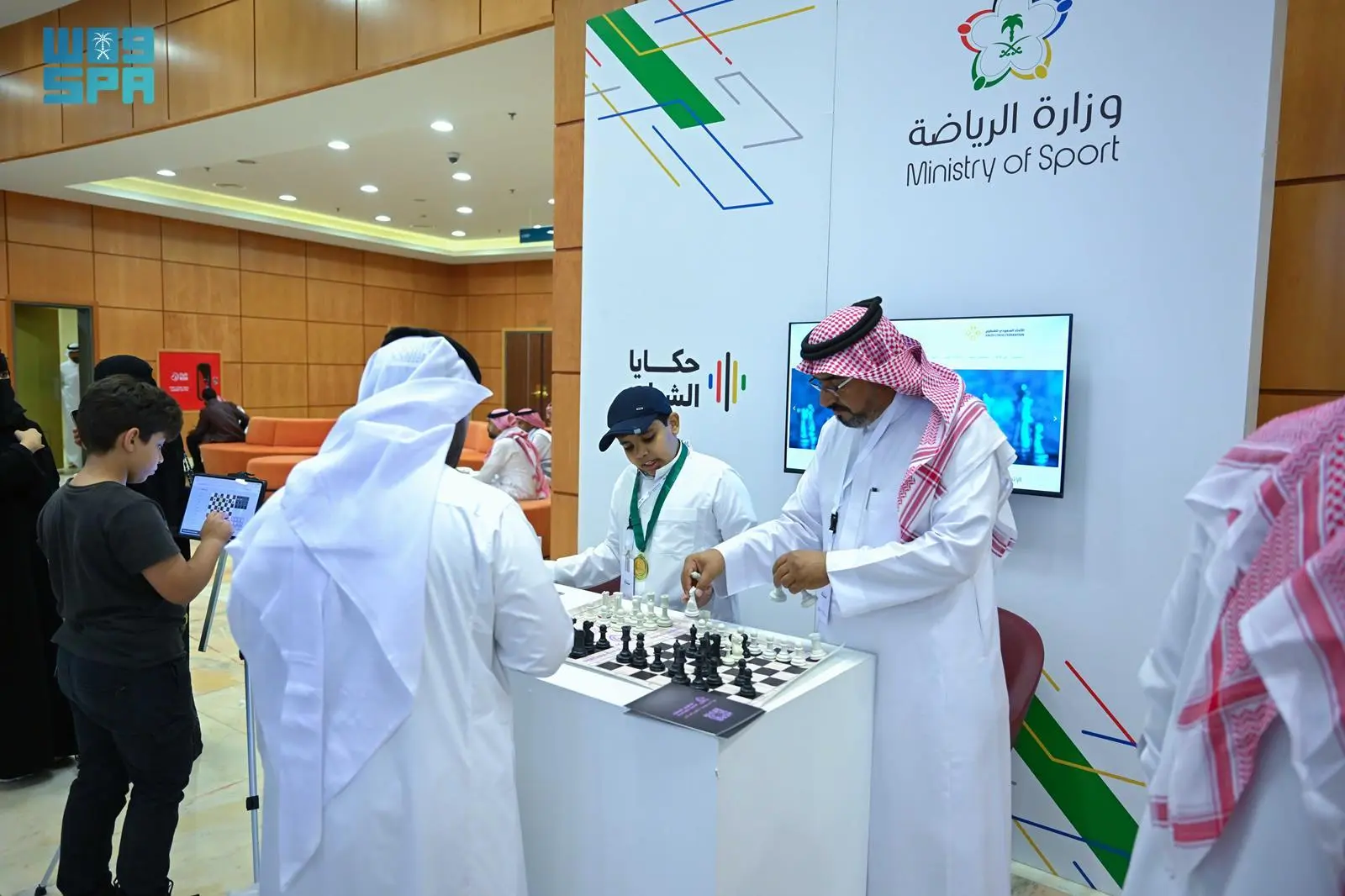
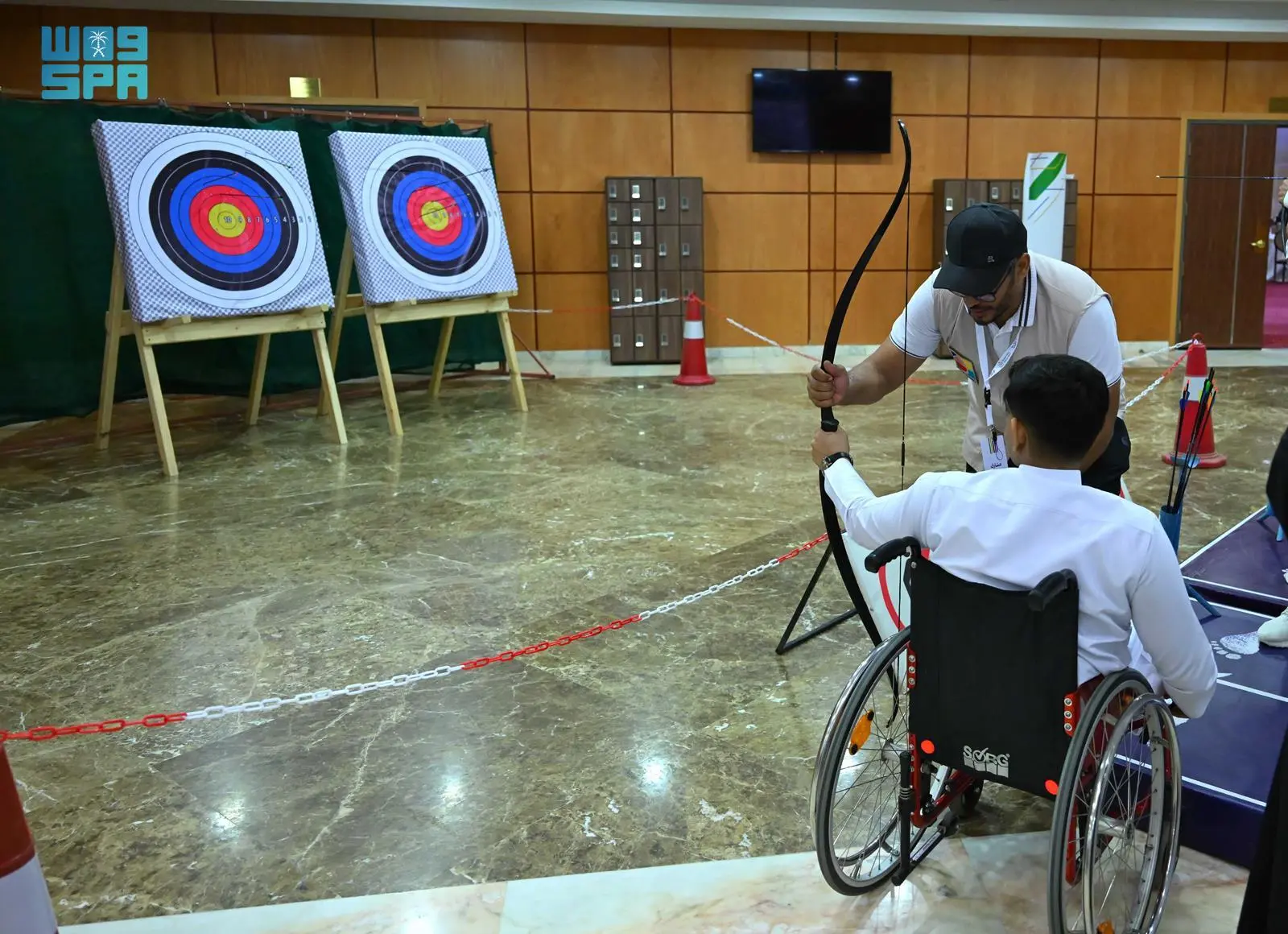
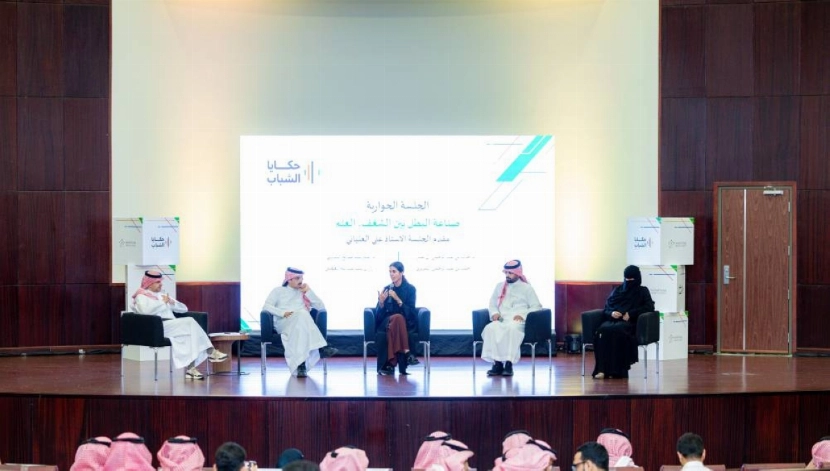
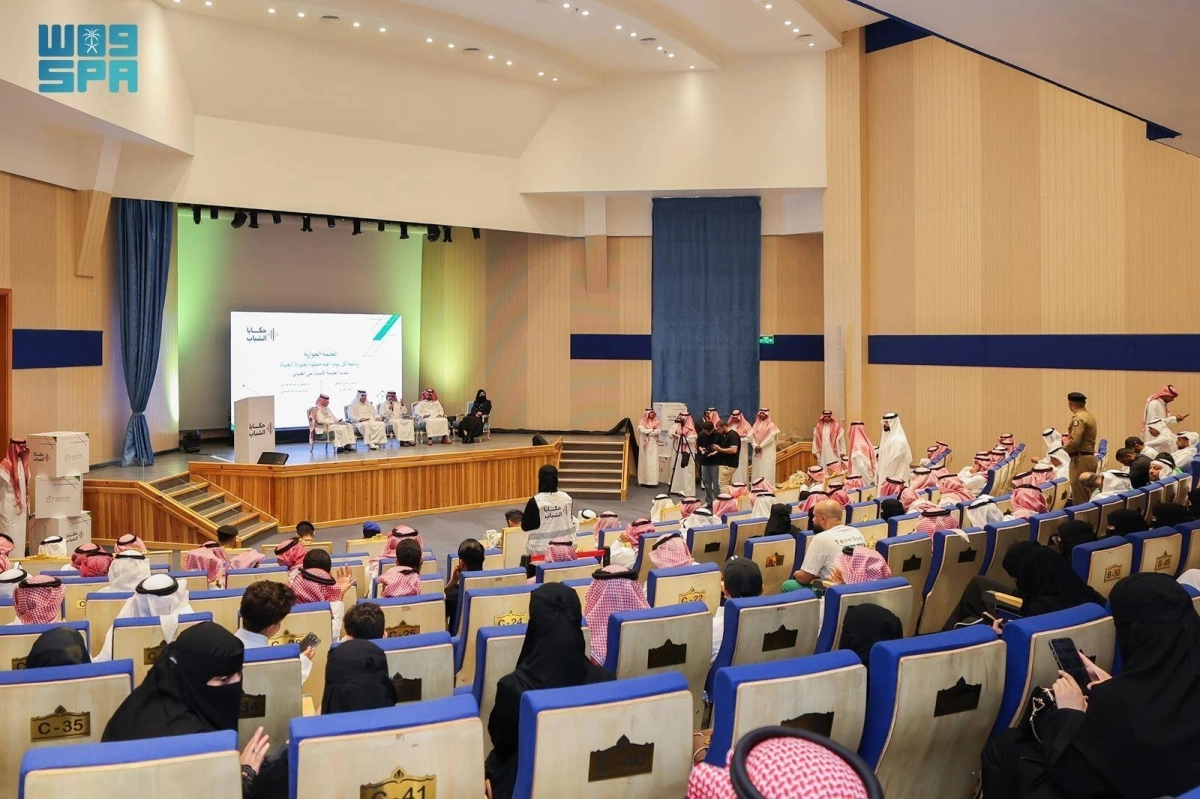
A program dedicated to empowering youth by fostering critical thinking, creativity, and meaningful dialogue for societal growth. The event features inspiring stories and sports experiences, with 14 speakers, each given 18 minutes to share their insights and journeys.
Objectives:
Young people will have the opportunity to learn about sports experiences and explore new games, while also enhancing their health awareness through inspiring stories designed to motivate them to practice sports and discover new hobbies.
Positive Impact:
Young people will have the chance to explore different sports and discover new, diverse interests to make the most of their free time. The program also aims to increase participation by 300 young people, expand the range of programs offered, and reach more regions across the Kingdom.
Preparation Phase:
• Conducting comprehensive planning and preparation to ensure the event’s successful implementation and availability of all necessary resources.
• Dening the initiative’s objectives and identifying the key themes for the inspiring stories.
• Selecting accomplished athletes as speakers and coordinating with them to prepare their presentations.
• Organizing the accompanying exhibition and determining the awareness corners to be featured.
• Creating promotional and media materials to effectively market the event.
• Ensuring the availability of necessary tools and technologies to support storytelling.
Implementation Phase:
• Implementing the scheduled activities and programs, encouraging engagement with attendees.
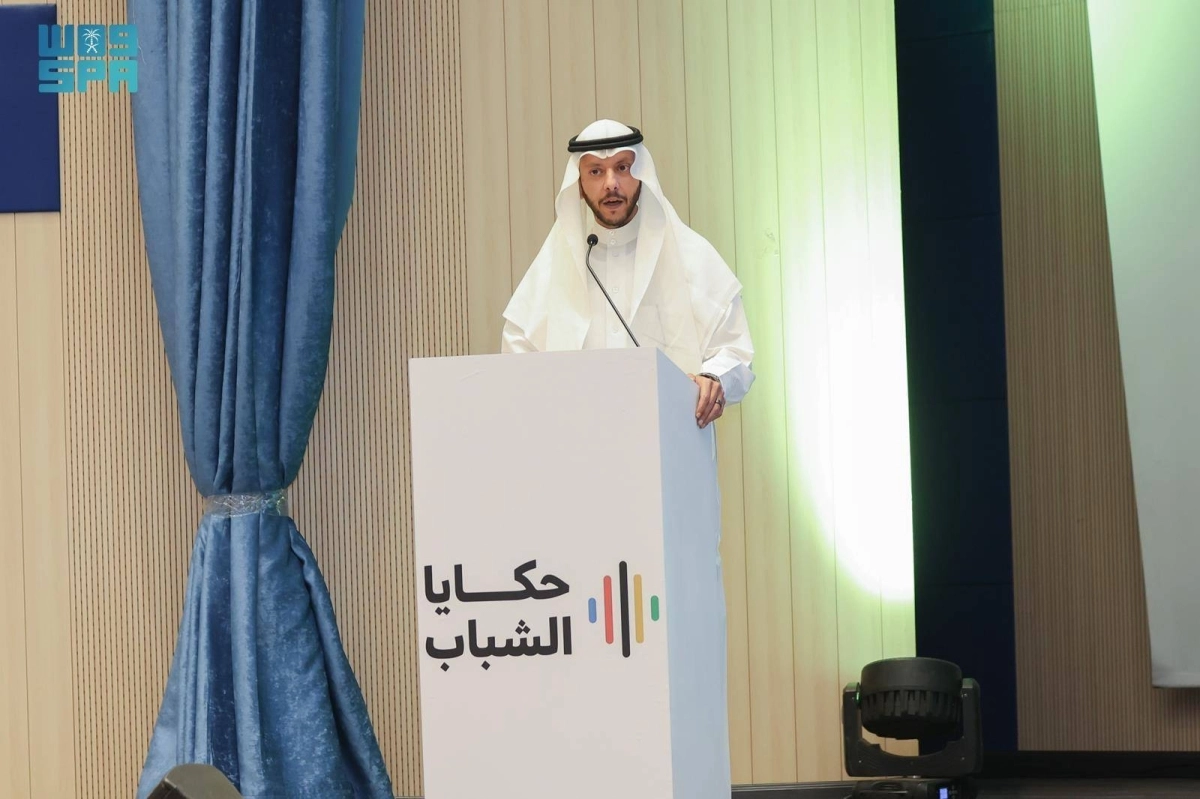
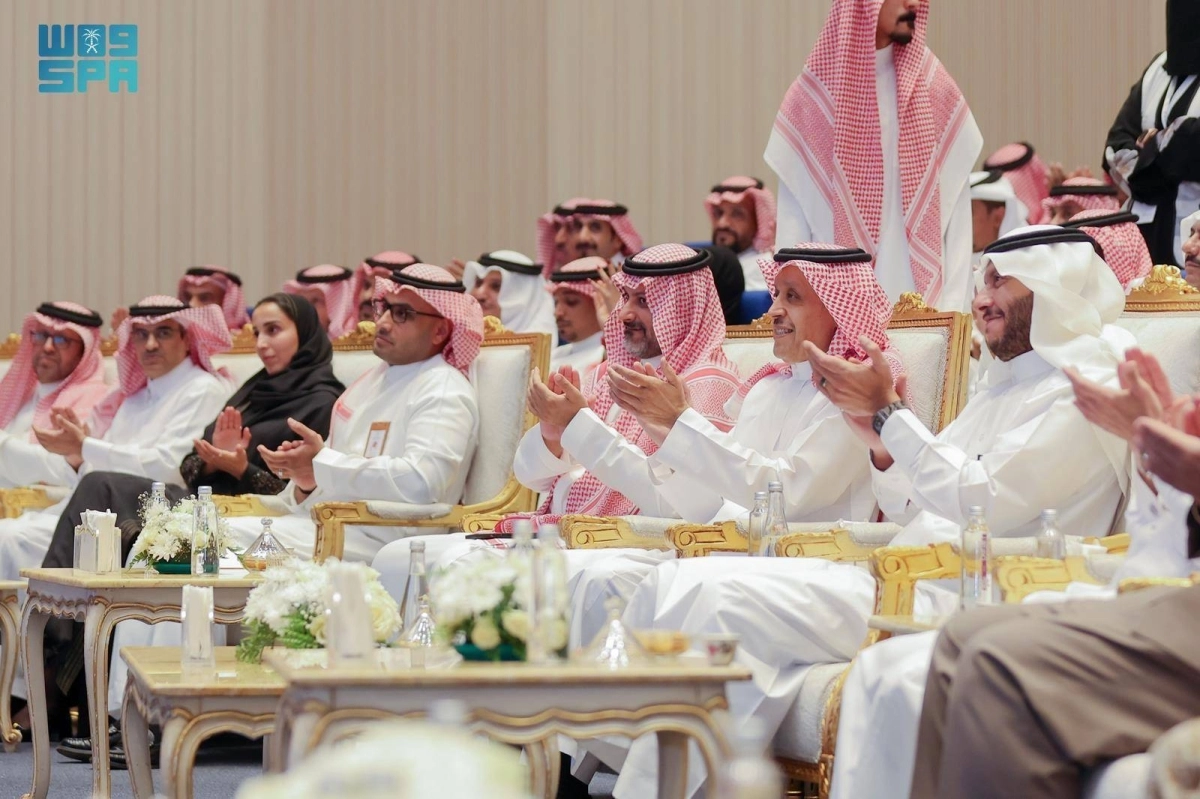
• Opening the initiative and welcoming participants.
• Introducing the speakers and sharing their inspiring stories, with each speaker allotted a maximum of 18 minutes.
• Organizing attendee visits to the awareness corners in the accompanying exhibition.
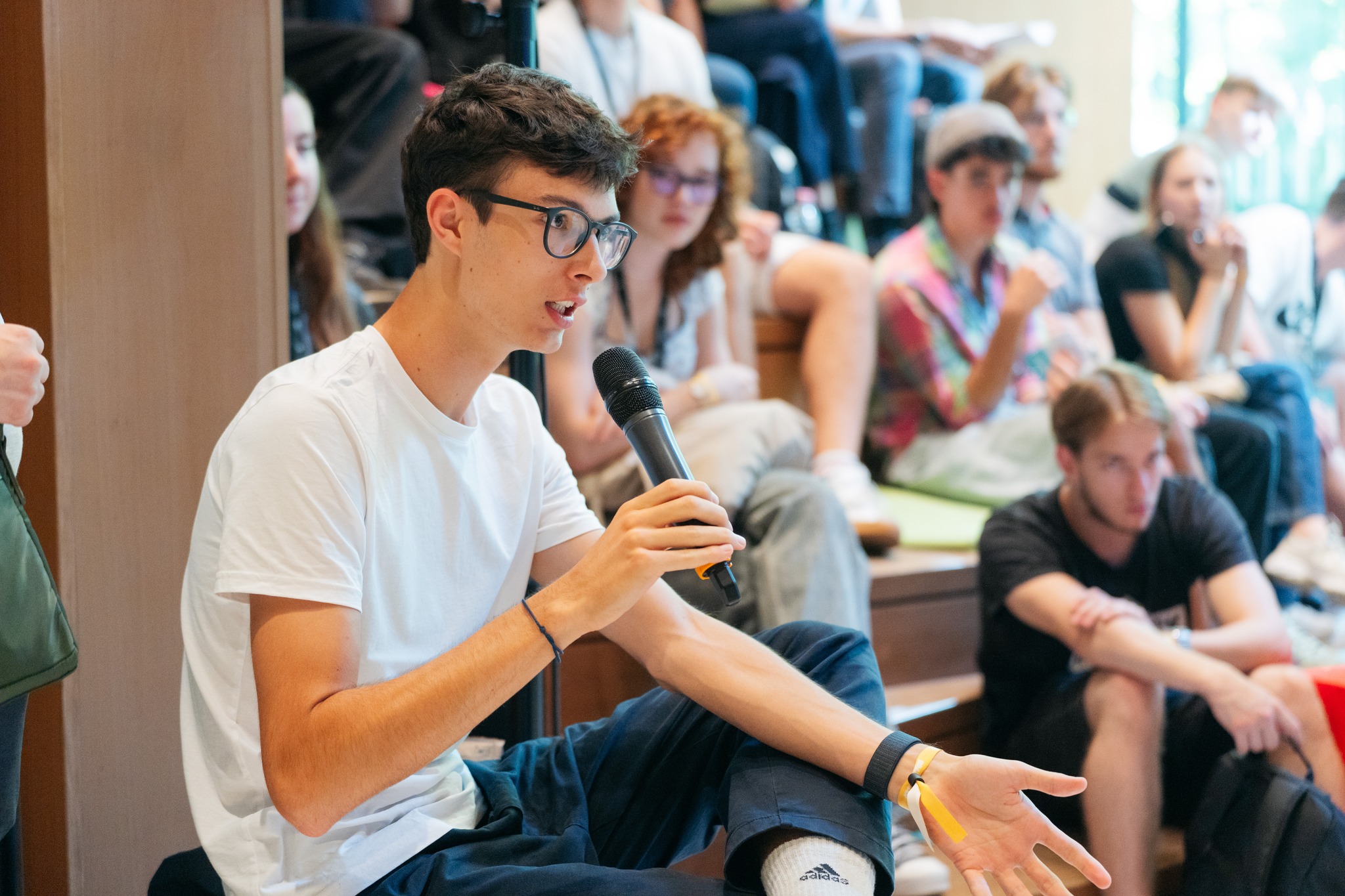
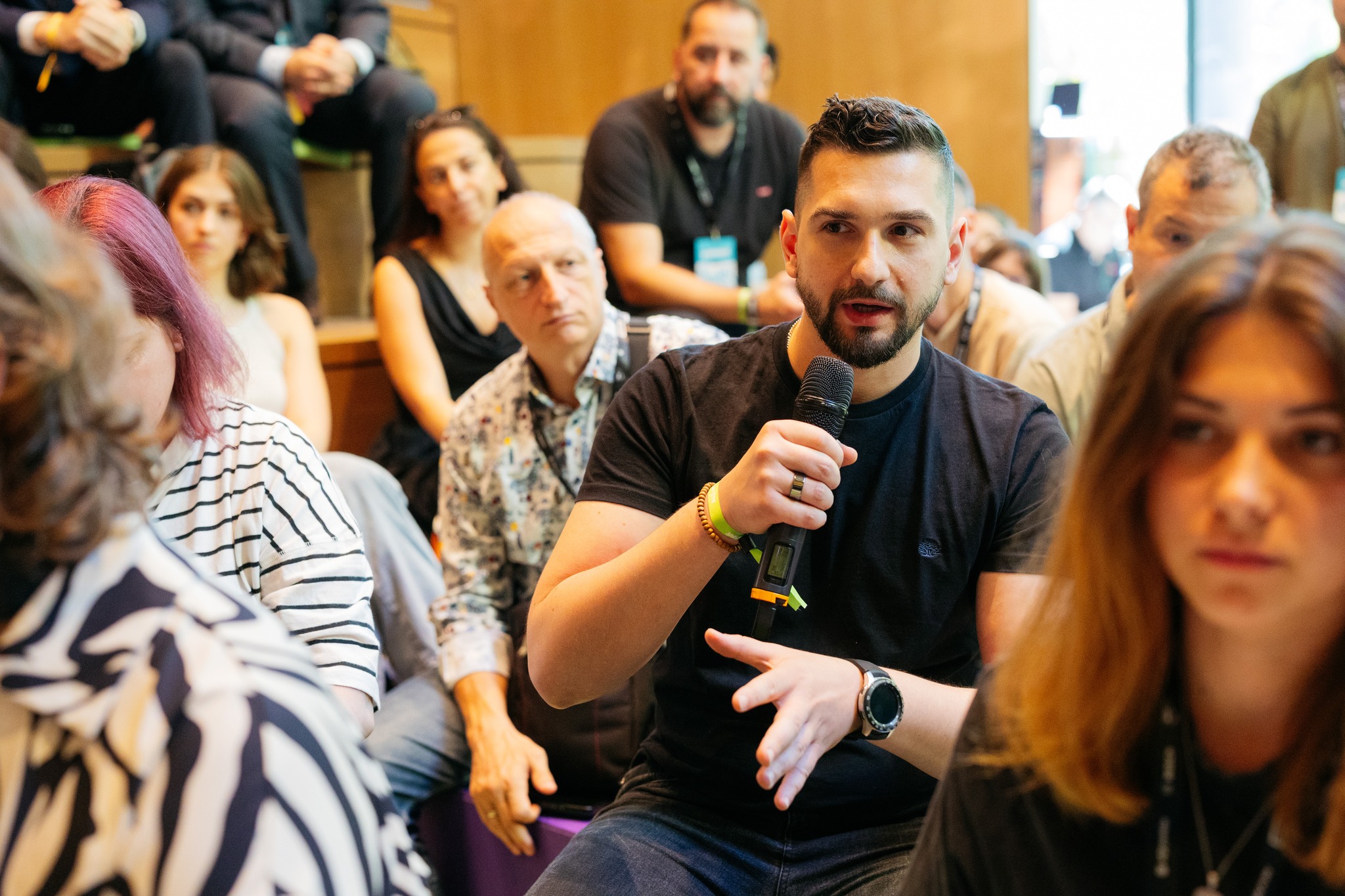
• Facilitating interaction and discussions between the speakers and the audience.
Post-Initiative Phase:
• Evaluating the impact of the initiative and drawing conclusions to guide future development.
• Collecting feedback from participants and speakers through questionnaires and short interviews.
• Analyzing data to assess the level of interaction and the achievement of objectives.
• Preparing a final report with results and recommendations for improving future editions.
• Following up with participants to maintain their ongoing engagement with sports and health activities
Best Practice Overview
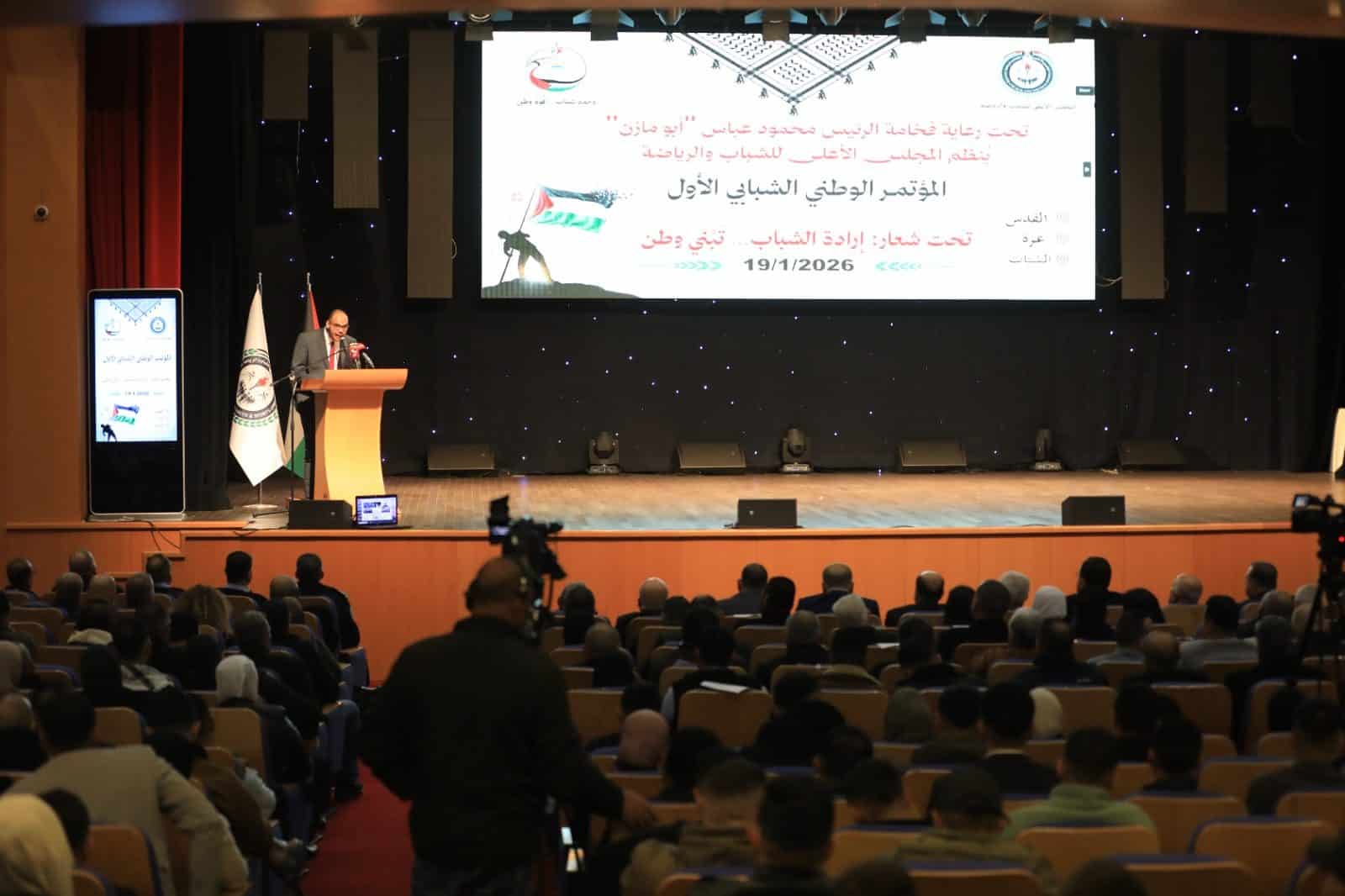
المجلس الوطني الشبابي الفلسطيني.
التعريف: هو إطار وطني مؤسسي جامع يُعنى بتمكين الشباب الفلسطيني في الوطن والشتات، وتعزيز مشاركتهم الفاعلة في صنع القرار والسياسات العامة ذات الصلة بقضاياهم الوطنية والتنموية.
ويتخذ المجلس من القدس مقراً دائماً له، ومن رام الله مقرًا مؤقتًا، ويعمل تحت مظلة المجلس الأعلى للشباب والرياضة.
يأتي تأسيس المجلس استجابةً لحاجة وطنية ملحّة إلى تنظيم الطاقات الشبابية ضمن جسم تمثيلي ديمقراطي، يضمن إشراك الشباب، كشركاء حقيقيين في العمل الشبابي.
الرؤية: بناء مجلس وطني شبابي يقود التغيير، ويصنع القرار، ويحقق التنمية المستدامة، ويؤثر محليًا ودوليًا.
الرسالة: تمكين الشباب الفلسطيني، وتطوير قدراتهم، وتعزيز مشاركتهم في القضايا الوطنية وصنع القرار، وبناء شراكات وبرامج نوعية توظِف التكنولوجيا في خدمة الهوية والتنمية.
الأهداف: يسعى المجلس إلى:
• ترسيخ المشاركة السياسية والديمقراطية للشباب.
• تمكين الشباب اقتصاديًا عبر دعم المبادرات الريادية وفرص التدريب والتشغيل.
• تعزيز الهوية الوطنية الفلسطينية والمساهمة في الرواية الوطنية.
• تحقيق العدالة الاجتماعية وضمان تكافؤ الفرص.
• ربط العمل الشبابي بأهداف التنمية المستدامة.
• مأسسة العمل التطوعي وتعزيز المسؤولية المجتمعية.
• توسيع تمثيل الشباب في مواقع صنع القرار.
• الإسهام في تطوير السياسات والاستراتيجيات الوطنية للشباب.
يعتمد المجلس الوطني الشبابي الفلسطيني، هيكلاً تنظيمياً مُتدرِّجاً، ما سُياهم بسلاسة العمل الإداري والرقابي لهذا الجسم الشبابي.
أعضاء المؤتمر العام: هم ممثلون عن المؤسسات والمجموعات الشبابية والجامعات.
المناطق الجغرافية الّتي تم استهدافها: جميع محافظات الضفة (بما فيها القدس)، محافظات غزة، الشتات.
آلية التشكيل: تم عقد مؤتمرات فرعية لممثلي المؤسسات الشبابية في جميع محافظات الوطن، وفي لبنان، وتم انتخاب أعضاء المؤتمر العام، وكذلك تشكيل هيئات إدارية فرعية في كل محافظة.
وتم إجراء هذه المؤتمرات على مدار سبعة أشهر.
الأعداد: عدد أعضاء المؤتمر العام: 613 عضواً، موزعين على النحو التالي (محافظات الضفة “309” محافظات غزة “208” الشتات “70” اللجنة الإستشارية الشبابية “26”- ألياب- عضواً)
عدد أعضاء كل هيئة إدارية فرعية (15) عضواً.
عدد أعضاء مجلس الإدارة المركزي (43) عضواً.
عدد أعضاء المكتب التنفيذي (17) عضواً

Best Practice Overview
لحملة الوطنية التطوعية لقطف الزيتون
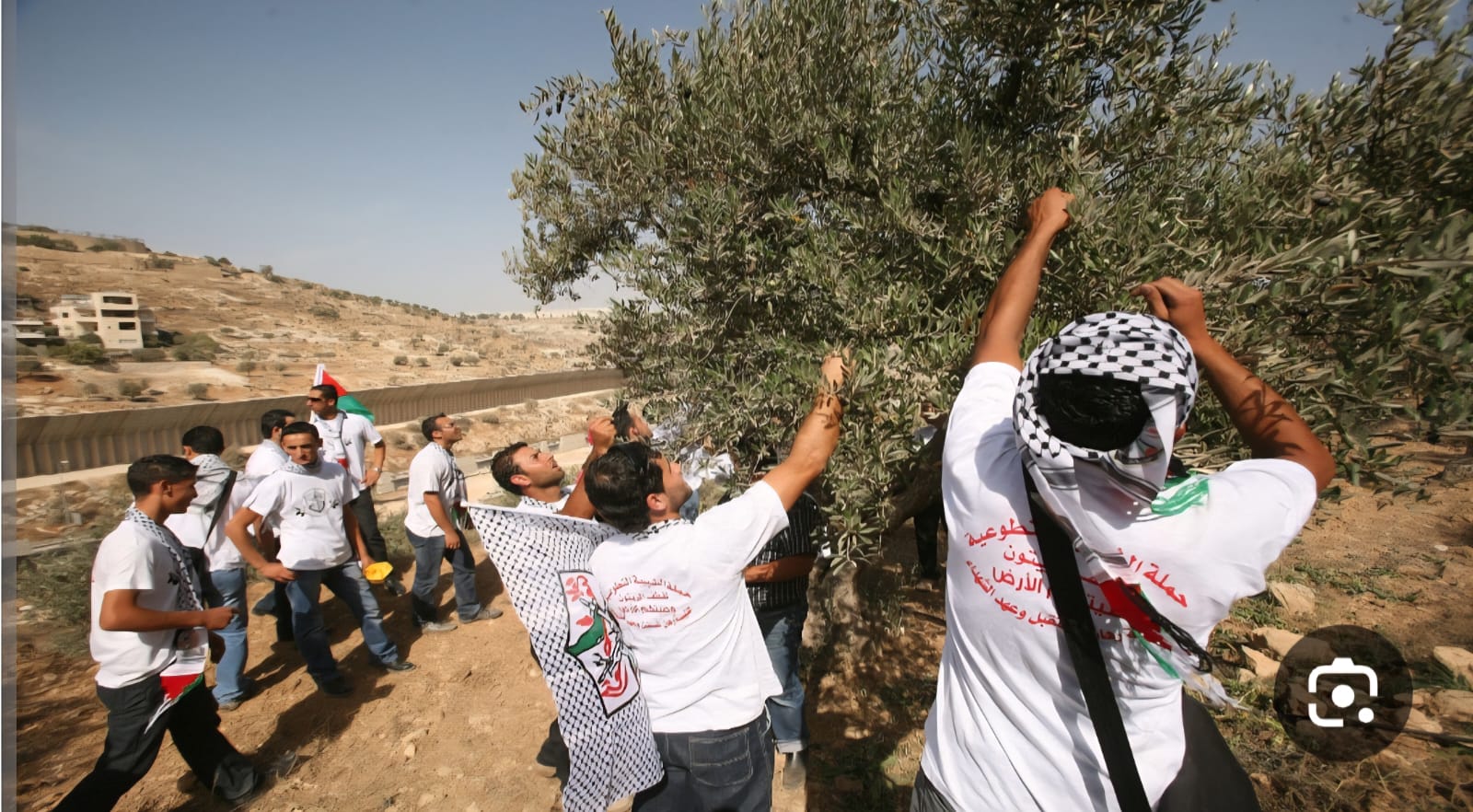
أطلق المجلس الأعلى للشباب والرياضة هذه الحملة الوطنية منذ عام 2015 بهدف مساندة الأهالي في المناطق المهددة بالمصادرة، والتي تواجه اعتداءات متكررة من الاحتلال والمستوطنين تشمل سرقة ثمار الزيتون، قطع الأشجار، ومنع المزارعين من الوصول إلى أراضيهم.
تُعد الحملة واحدة من أكبر الفعاليات التطوعية في فلسطين، حيث يشارك فيها سنويًا ما يقارب 1500 متطوع ومتطوعة من مختلف المؤسسات والأندية والجمعيات والجامعات الفلسطينية، للعمل جنبًا إلى جنب مع المزارعين ودعم صمودهم في أرضهم.
يتولى المجلس الأعلى للشباب والرياضة تمويل الحملة وتوفير جميع الاحتياجات اللوجستية لضمان تنفيذها بشكل منظم وفاعل، تأكيدًا على دور الشباب في حماية الأرض وترسيخ الهوية الوطنية.
Best Practice Overview
لمخيمات الصيفية – المجلس الأعلى للشباب والرياضة
رسالة البرنامج:
بناء وتنمية وصقل شخصيات الطلائع، وتأهيلهم لمستقبل أفضل عبر بيئات آمنة، ممتعة، ومحفّزة للإبداع.
تعريف البرنامج:
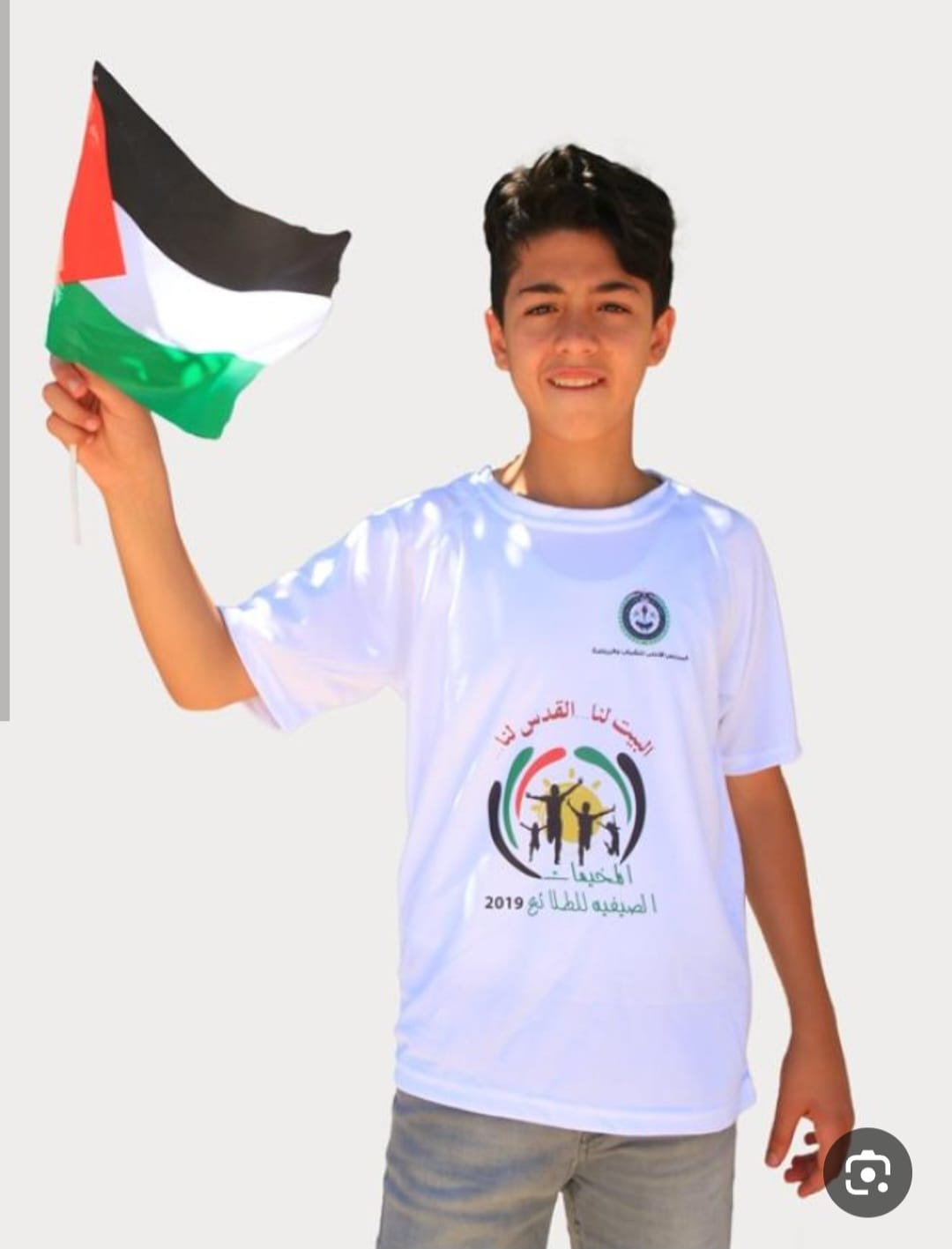
المخيمات الصيفية هي أكبر البرامج التربوية والترفيهية اللا منهجية التي يشرف عليها المجلس الأعلى للشباب والرياضة، وتهدف إلى تعزيز خبرات الطلائع وتنمية مهاراتهم في مختلف مجالات الحياة.
أهداف المخيمات:
تمكين جيل من الطلائع وطنيًا واجتماعيًا.
صقل الشخصية الفردية لهذه الفئة العمرية الحساسة.
رفع الوعي ضد السلوكيات الخطرة.
توفير بيئة ترفيهية إيجابية خلال العطلة الصيفية.
اكتشاف المواهب وتنميتها.
تعزيز الوعي الصحي والبيئي.
زوايا البرنامج:
الإدارة – الرياضة الترويحية – التوعية الإلكترونية والتثقيف الوطني – الفنون والأشغال اليدوية – المسرح والدراما – الصحة والبيئة (مستحدثة عام 2023).
الشركاء:
وزارة التربية والتعليم، الشرطة، وزارة الصحة، الدفاع المدني، الضابطة الجمركية، وزارة النقل والمواصلات، الحكم المحلي، سلطة جودة البيئة، الهلال الأحمر، وزارة الثقافة، وزارة الزراعة، إضافة إلى دوائر الشباب والثقافة في المحافظات.
أرقام 2023:
600 مخيم صيفي.
600 مدير مخيم.
3000 منشّط.
90 إعلاميًا متطوعًا.
234 مقيمًا.
600 آذنًا.
60,000 مشارك/ة من الطلائع.
إجمالي من 2016–2022:
10,900 منشّط مستفيد.
2,180 مخيمًا منفذًا.
200 ألف طليعي/ة مشارك.
المعسكرات
معسكرات الطليعي الموهوب:
مخصصة للطلائع الموهوبين الذين برزوا خلال المخيمات الصيفية، وتُنفّذ خلال العطلة الشتوية.
معسكرات تخصصية:
تهدف إلى تطوير مهارات محددة لدى الفئات الشابة، وفق مجالات متخصصة.
معسكر طلبة الجامعات:
برنامج شبابي يوفّر تجارب قيادية وتطوعية لطلبة الجامعات بهدف تعزيز مهاراتهم الوطنية والمجتمعية.
Best Practice Overview
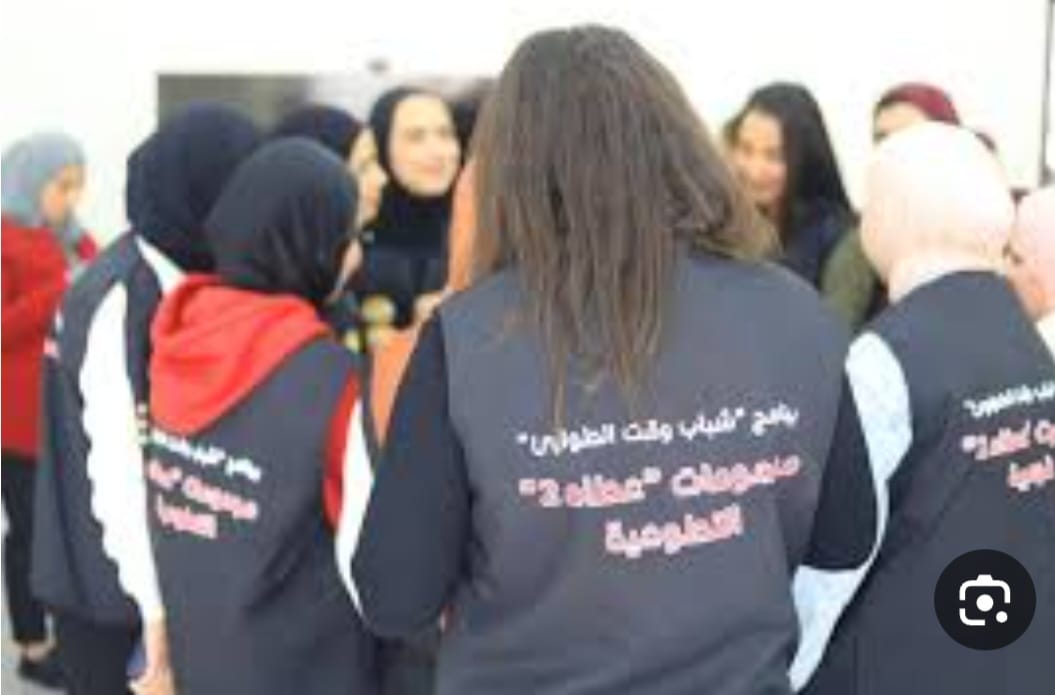
مجموعات عطاء التطوعية – شباب وقت الطوارئ
مبادرة شبابية وطنية تهدف إلى تعزيز جاهزية المجتمع الفلسطيني في مواجهة الأزمات. تم تشكيل 15 مجموعة تطوعية تضم أكثر من 375 متطوعًا ومتطوعة، تلقّوا تدريبات متخصصة في الإسعافات الأولية ومهارات الدفاع المدني، وتم تزويدهم باحتياجات التدخل السريع خلال الطوارئ.
جاء تأسيس هذه المجموعات استجابة للظروف السياسية والإنسانية الصعبة التي يعيشها أبناء شعبنا، بهدف توفير فرق مساندة قادرة على التدخل الفوري عند حدوث أي طارئ.
وفي المرحلة الثانية، تم توسيع البرنامج بإضافة 8 مجموعات جديدة موزعة وفق احتياج المحافظات، مما يعزز انتشار فرق الطوارئ المتطوعة على مستوى الوطن.
يُنفَّذ هذا البرنامج بدعم وتمويل من صندوق الأمم المتحدة للسكان UNFPA.